International Economics Book Project-CORE Project
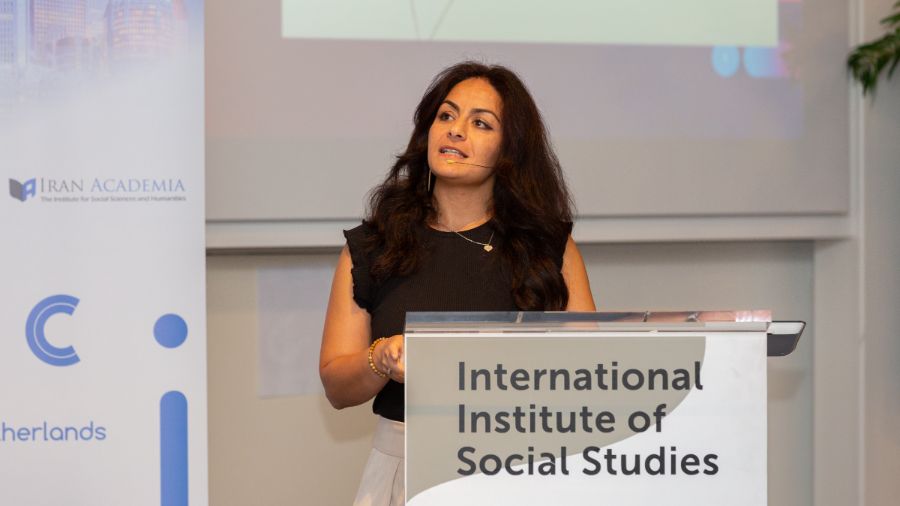
Speech of Asefeh Behzadi about the International Economics Book Project, Iran and the Turn of the Century, The Hague, Netherlands, 27 August 2022- Persian day
The Difficulties of Persian Scientific Publication and Our Responses
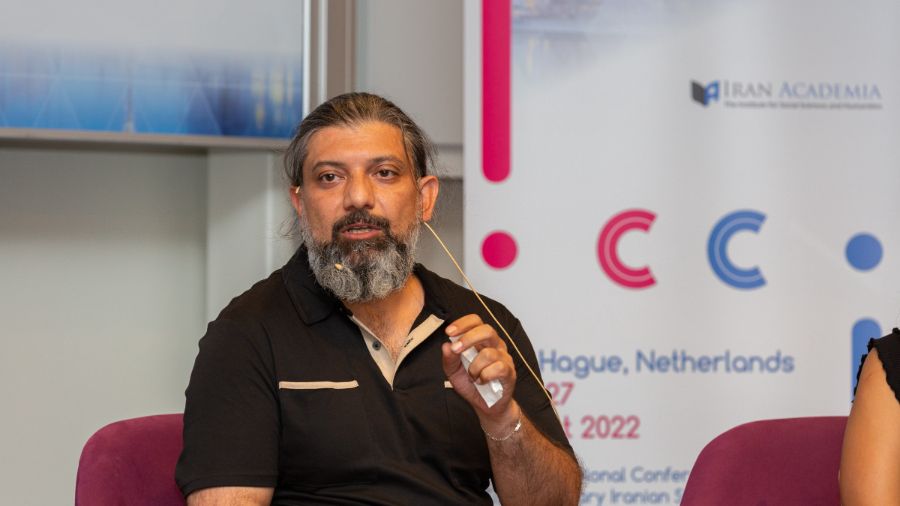
At a time when Iran’s scientific and academic sphere is afflicted with numerous diseases, such as the market for buying and selling (illegal) degrees or the widespread desire to publish English scientific articles devoid of any serious content, the production of the scientific content in Farsi faces numerous challenges. In this section, some of the steps that have been made to close the gaps and voids in Persian scientific publishing will be discussed.
Report on the Ten-Year Experience of Iran Academia
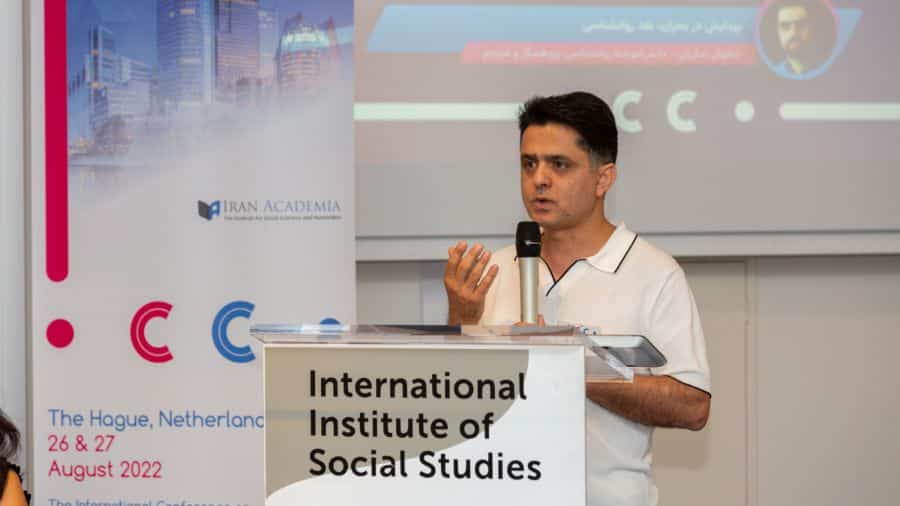
This speech is part of the following panel:
The New Articulation of the Social Movement and Ecological Movement in Iran: Towards the Publicization and Agenda-Setting of the Ecological Catastrophe of Lake Urmia
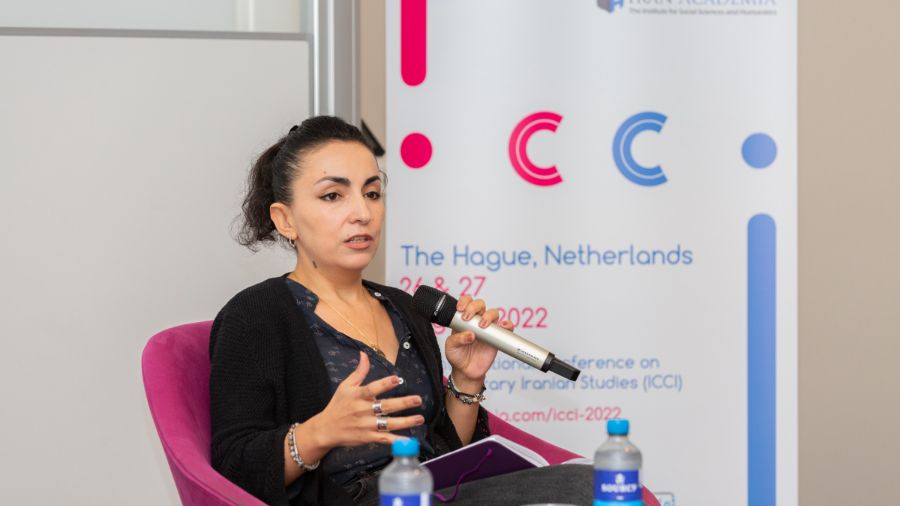
The anti-globalization movement of the 2000s brought about a global discussion of the environment through the lens of climate justice (Aguiton and Cabioc’h 2010). Currents of thought such as ecofeminism, concepts such as intersectionality, or environmental racism are all indications of a shared sense that reflecting on ecological crises and relations of domination is now a compelling necessity.
Individual and Social Health Issues Challenges Human Rights
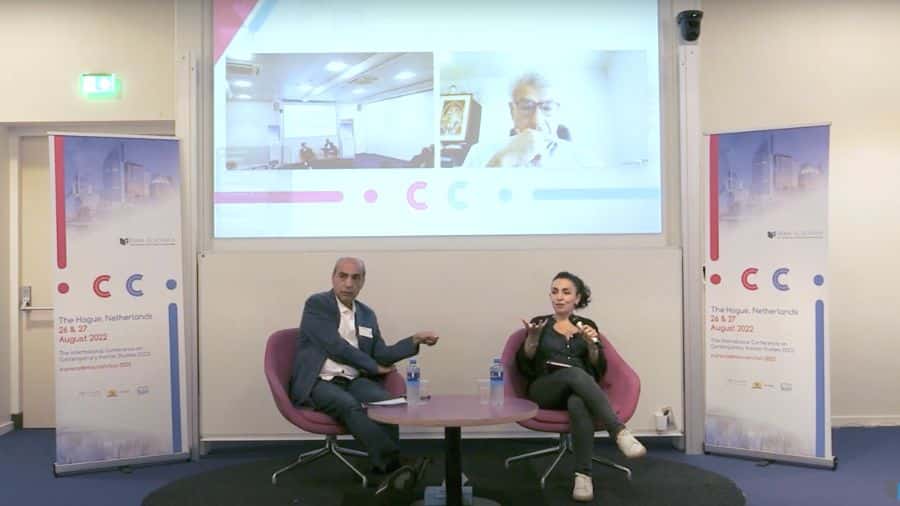
Since the end of 2019, the Covid-19 outbreak has swept the globe. This issue has threatened the well-being of human communities in social, economic, scientific, and management domains, among others. The definition and observance of individual rights and social agreements is one of these domains. To secure public health and safeguard the economy, the political administration challenged the rights in a manner never before seen in human history.
Understanding Developments in Iran Based on Iranians’ Attitudes
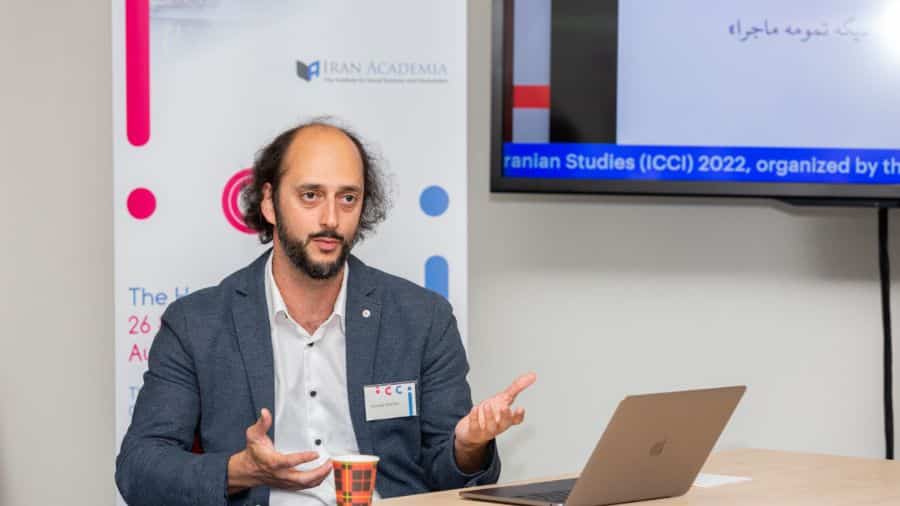
In the past forty years and with the start of the new millennium, Iranian society has seen profound changes. The social, religious, and political leanings of the Iranians have seen profound transformations. Evaluation and study of public opinion in Iran on a variety of problems, like in any other society, can aid in comprehending the social evolution and predicting future occurrences.
Experience with Education in Kurdistan
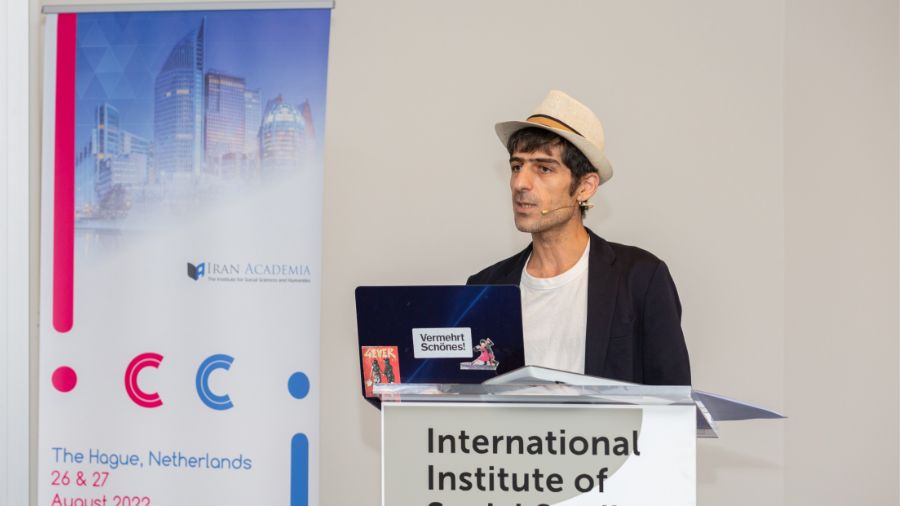
The purpose of this brief study is to examine the subject of education and liberating education in Rojhalat Kurdistan (Iranian Kurdistan) in two historical and theoretical sections. The first section will focus on specific concepts regarding the historical experience of education, universal education, and liberated education.
Education and Liberation Politics: The Evolution of Educational Issues in Iranian and Syrian Kurdistan
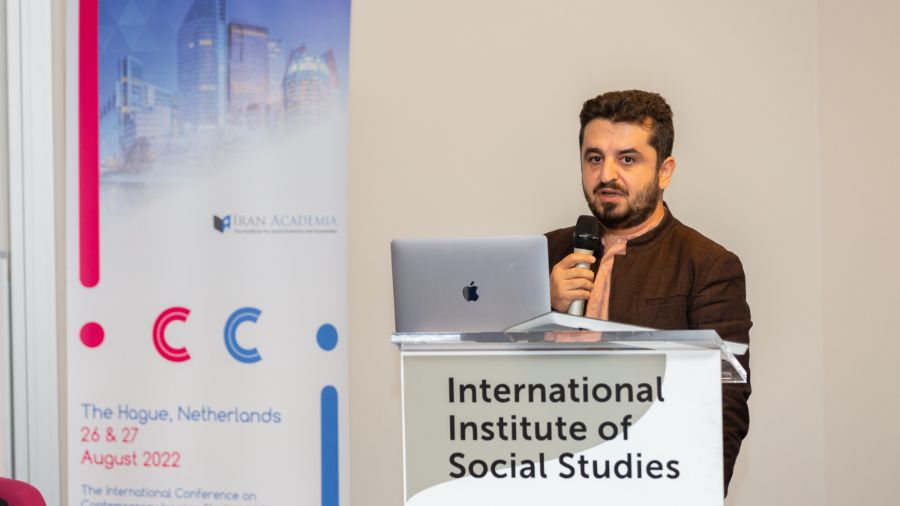
This panel intends to discuss the experience of education and emancipatory education in two regions of Kurdistan using theories in the field of education, particularly alternative and anti-mainstream theories, such as the classical theory of Paulo Freire and the late theories of French philosophers like Jacques Rancière.
Iran: The Looking East Strategy and the Turn of the Century
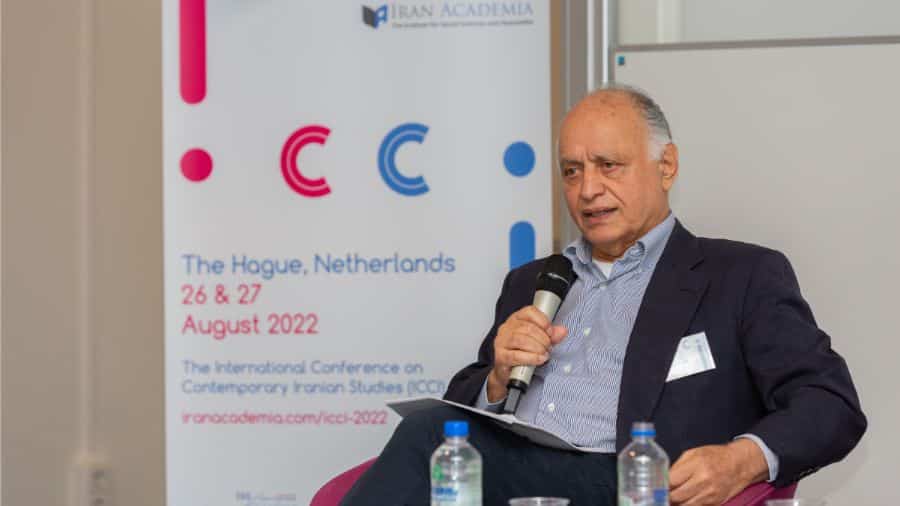
The world is on the cusp of a new order at the turn of the century. Iran may fall prey to this shift. The order that emerged in the 1980s as a result of globalization and the disintegration of the Eastern Bloc is coming to an end. As a result of the invasion of dictatorships and populism against liberal democracy and Russia’s military action against Ukraine, the globe is currently divided along two axes: dictatorship and liberal democracy.
Historical Analysis of Iran’s Foreign Policy and Its Main Approaches During the 14th Century(sh)
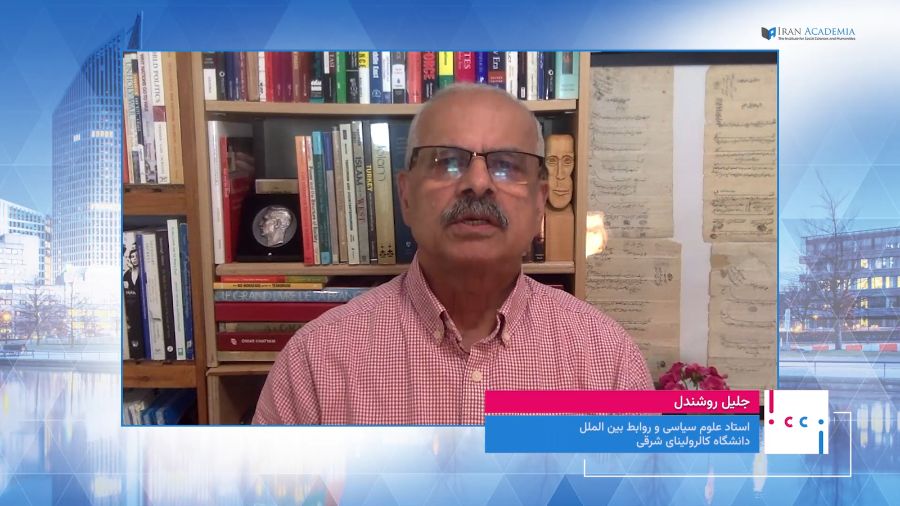
The emphasis of this work [Jalil Roshandel] is Iran’s foreign policy during the preceding century. From the foreign policy of the first and second Pahlavi governments to that of the Islamic Republic, this century has followed numerous patterns, which can be characterized as beginning with the foreign policy of the Pahlavi administrations and ending with the Islamic Republic.
Mostafa Rahimi- Reflections on an Intellectual Tradition
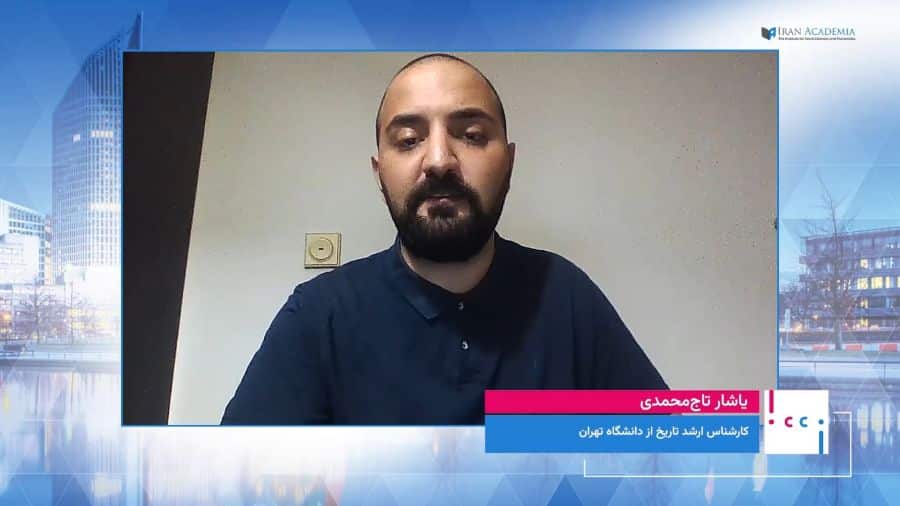
It was “returning to oneself.” Researchers of contemporary Iranian history, particularly those who have focused on the historiography of intellectual currents, have mostly examined the writings of prominent figures of these discourses to date (especially Jalal Al-Ahmed and Ali Shariati).
The Establishment Project in Modern Thought: Rethinking the Reception of Descartes’s Discours de la Méthode in Contemporary Intellectuals in Iran (De Gobineau, Afzal-ul-Mulk Kermani, and Mohammad Ali Foroughi)
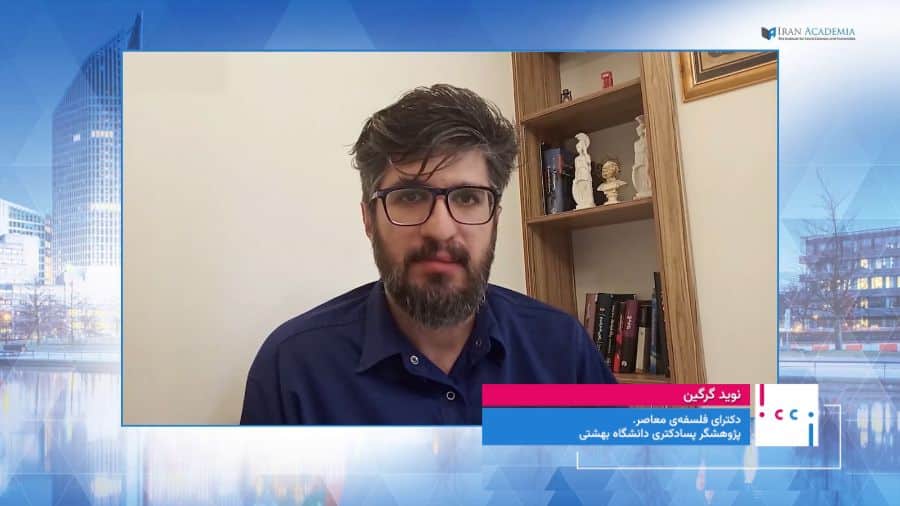
Descartes’s Discours de la Méthode has been translated into Persian three times in three separate historical periods, each with a unique incentive, from 1241 (1863) to 1310 (1932). Today, this text is one of the topics of interest in the intellectual movements of Iran as a pre-history of the emergence of Modern European philosophy in the Persian language.
The Process of Islamization of Education in Iran and its Consequences
The purpose of this study is to explore the Islamization of education in Iran and its implications on the quality of education there. Initially, the history, motivations, objectives, and implementation strategies of the Islamization of education were explored. Then, based on the relevant studies, the repercussions of Islamic education, particularly its impact on scientific transparency and freedom of action of researchers, are mentioned. The study has been a systematic review in terms of its primary objective and method.
Defining the Criteria for Recognition of Sexism in Textbooks
The aim to propagate the totalitarian Islamic ideology by emphasizing the “basic distinction between men and women” is one of the features of the Islamic Republic’s educational system after the revolution of 1979. This view is founded in both the traditional culture and intellectual beliefs of Islamists, who, based on the doctrine of velayat al-faqih, perceive their legitimacy to be based on a pyramid of power in which God reigns over servants, jurists rule over imitators, and males dominate over women.
Education in the Last Century in Iran
The education system is a component of the social structure that is established and organized in accordance with the national government’s overarching objectives. Educational systems have a reciprocal relationship of influence and efficacy with the social, economic, political, and cultural conditions of the society across various and comprehensive aspects.
Investigating the Position of Women’s Voice in the Field of Iranian Music From Long Ago to Today
The history of women in music from ancient Iran to the present day will be examined in this study. For this goal, we will study the role of women in Iranian music, particularly in singing, by looking at the historical sources of Iranian music. When we go to the present day, we’ll examine this category based on written documents that prohibit women from singing in the social arenas of today.
“National Art” in The visual Arts of Modern Iran and its Transformations
This article is interdisciplinary research that rereads the history of Iranian art in the contemporary era using multiple unique but converging methodologies. The objective of this study is to examine the complex connections between politics and art, under the secondary ideas of “nationality” and “image.”
The “Quiet Encroachment” of the Female Vendors in the Subway of Tehran
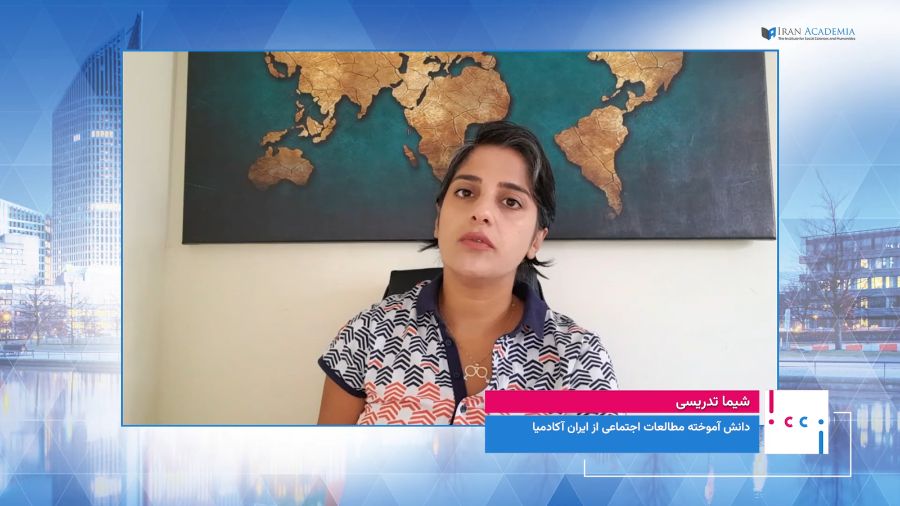
The employment obstacles faced by Iranian women have exacerbated their exclusion from the formal labor market and their propensity to work informally. This circumstance has encouraged the rise of gender discrimination against lower-class women in the workplace and made it more difficult for them to earn a living.
Middle Class Collapse and Emerging Urban Poor (Case study: Tehran)
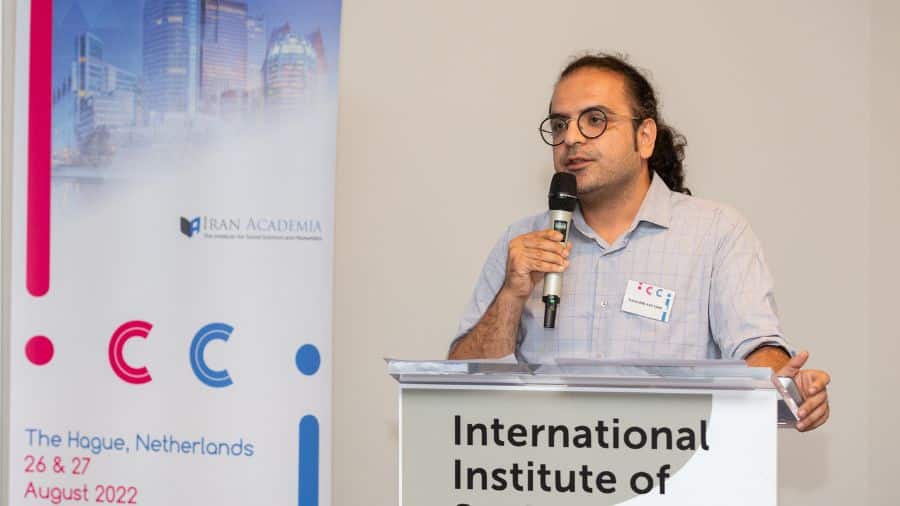
Since 2016, the huge rise in prices and the financial and economic crises have had a profound impact on Iranian society. The widespread collapse of the middle class in recent years and the following changes in their lifestyle, spending, and the combination of their economic and cultural capital, which has led to the creation of new destitute people, is one of the most significant effects of this crisis.
Art History Panel
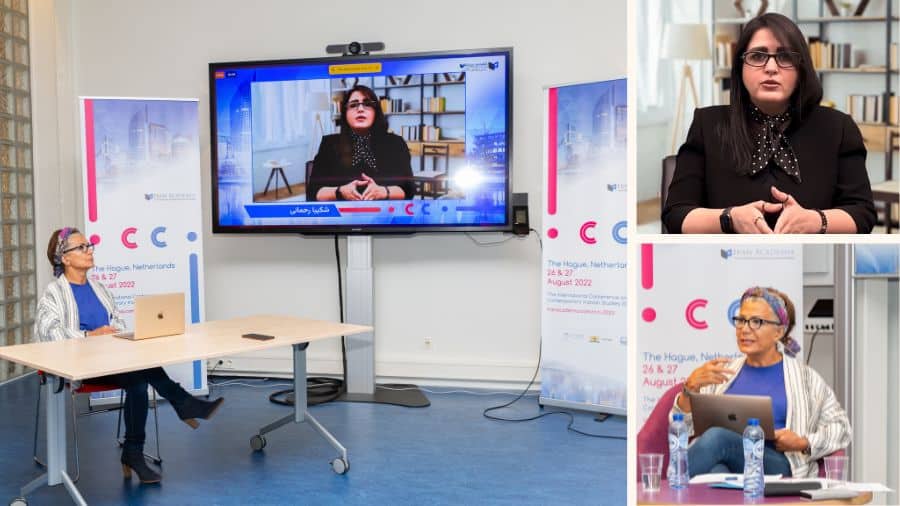
Art history panel with Shakiba Rahmani, Iran and the Turn of the Century, The Hague, Netherlands, 27 August 2022- Persian Day
A Conversation with Mashallah Ajoudani Reviewing the “The Iranian Constitution”
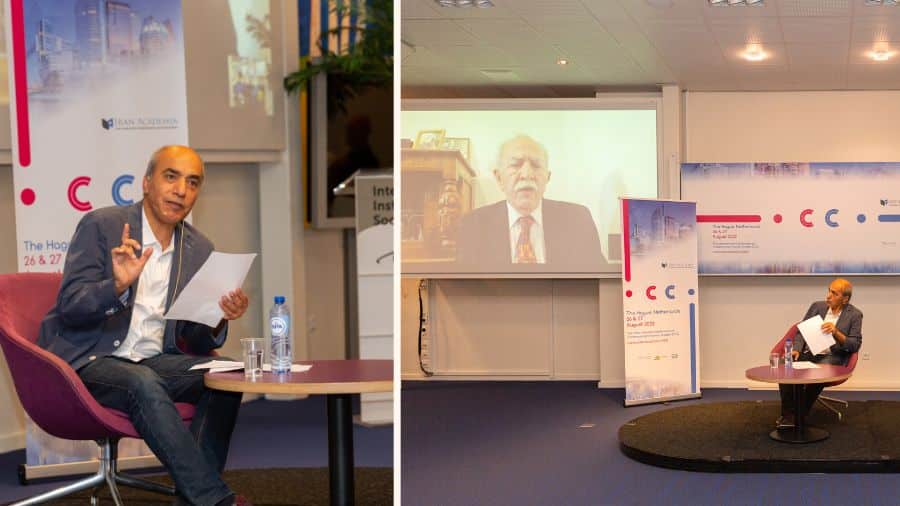
A Conversation with Mashallah Ajoudani by Saeed Paivandi, The Iranian constitutional revolution, Iran and the Turn of the Century, The Hague, Netherlands, 27 August 2022- Persian Day
“Iran’s Middle Class Poor” Panel [in Persian]
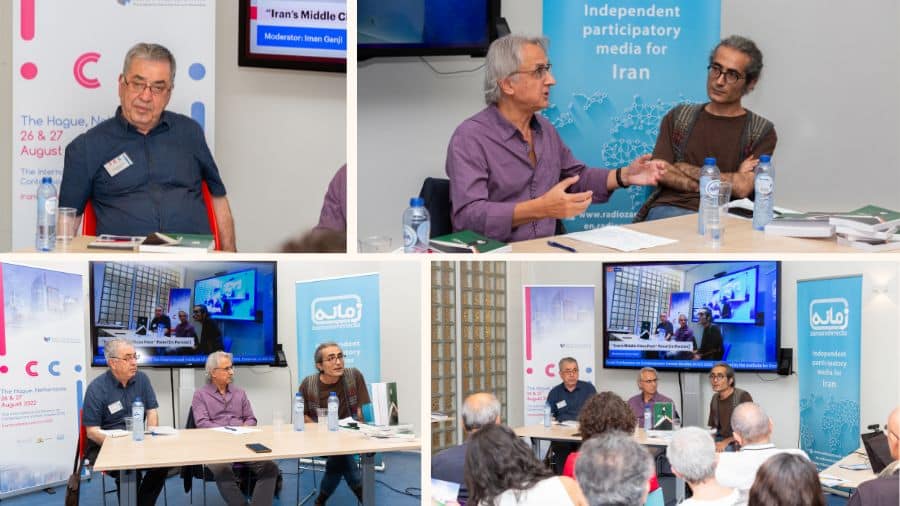
“Iran’s Middle-Class Poor” Panel, Iran and the Turn of the Century, The Hague, Netherlands, 26 August 2022- English Day
“Scholars and Artists at Risk” Panel
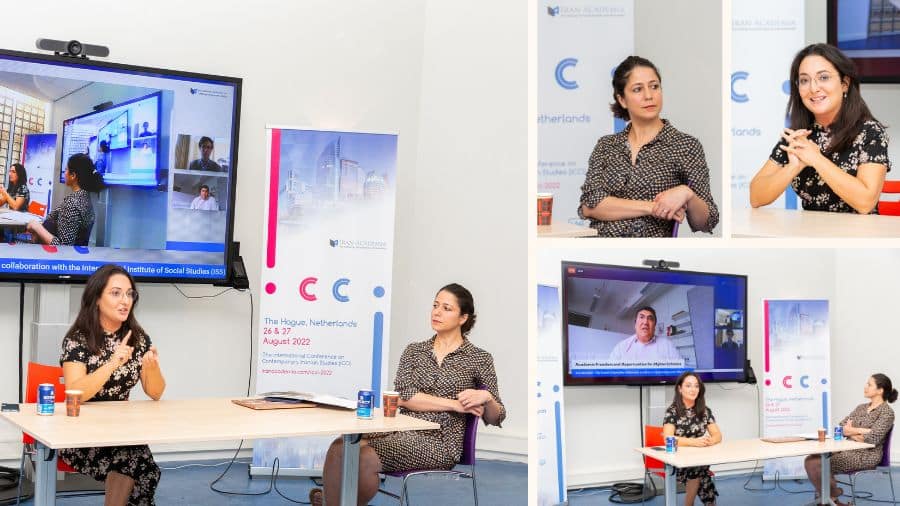
“Scholars and Artists at Risk” Panel, Iran and the Turn of the Century, The Hague, Netherlands, 26 August 2022- English Day
International Human Rights Law Panel
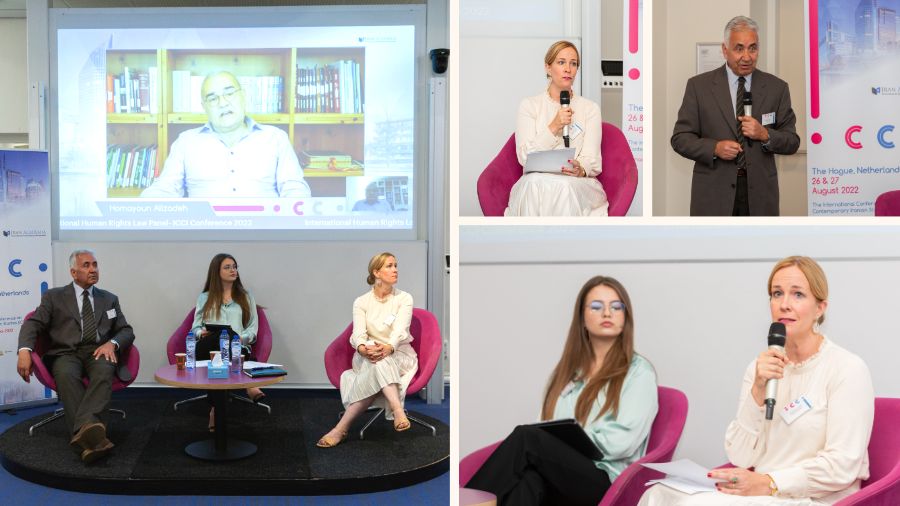
International Human Rights Law Panel, Iran and the Turn of the Century, The Hague, Netherlands, 26 August 2022- English Day
Human Rights Panel
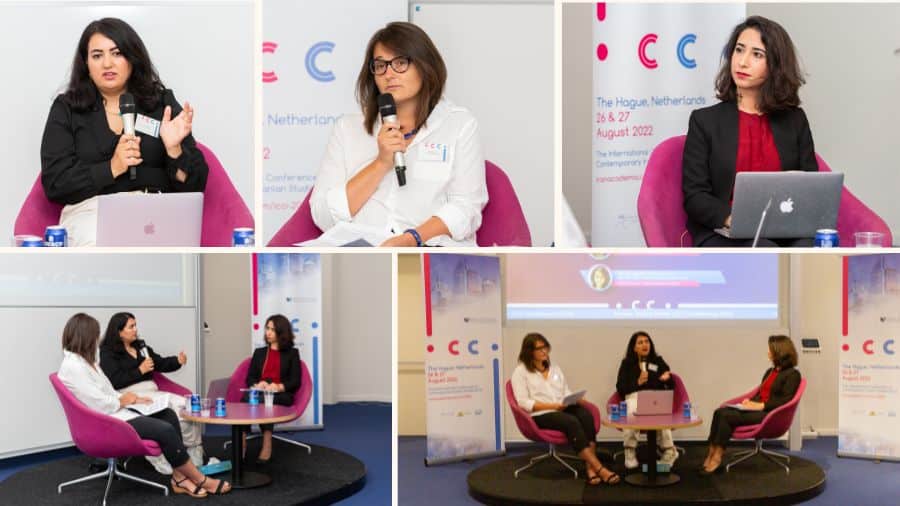
Human Rights Panel, Iran and the Turn of the Century, The Hague, Netherlands, 26 August 2022- English Day
“The Nature of Hate” Panel
“The Nature of Hate” Panel, Iran and the Turn of the Century, The Hague, Netherlands, 26 August 2022
Cultural Studies Panel
Cultural Studies Panel, ICCI Conference, The Hague, Netherlands, 26 August 2022
A Conversation with Asef Bayat by Nayereh Tohidi
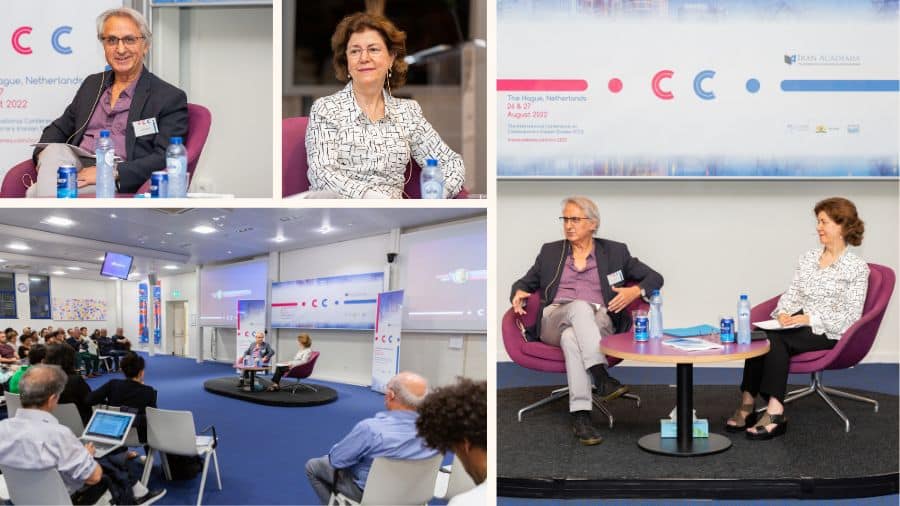
Conversation with Asef Bayat by Nayereh Tohidi- ICCI Conference- The Hague, Netherlands, 26 August 2022
The Social Movements Panel
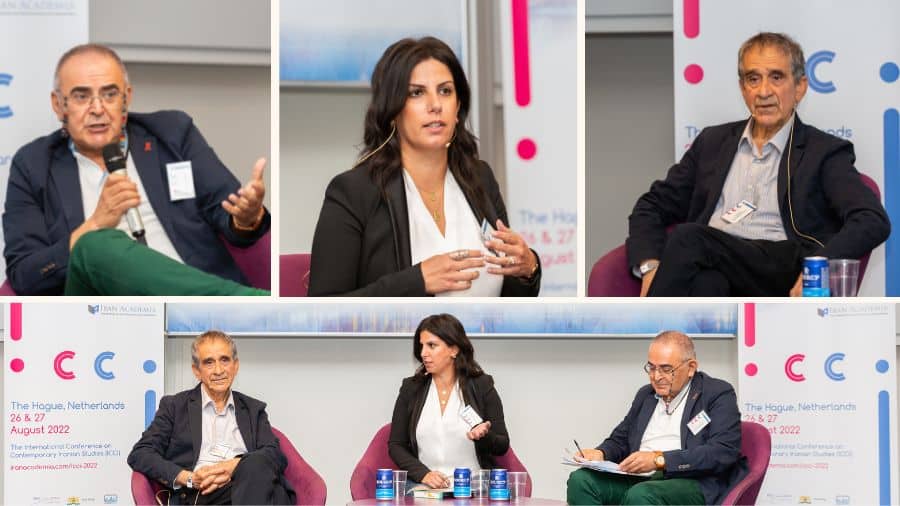
The Social Movements Panel with Farhad Khosrokhavar and Maral Karimi- 26 August 2022, The Hague, Netherlands
A Conversation with Kamran Matin by Anahita Hosseini
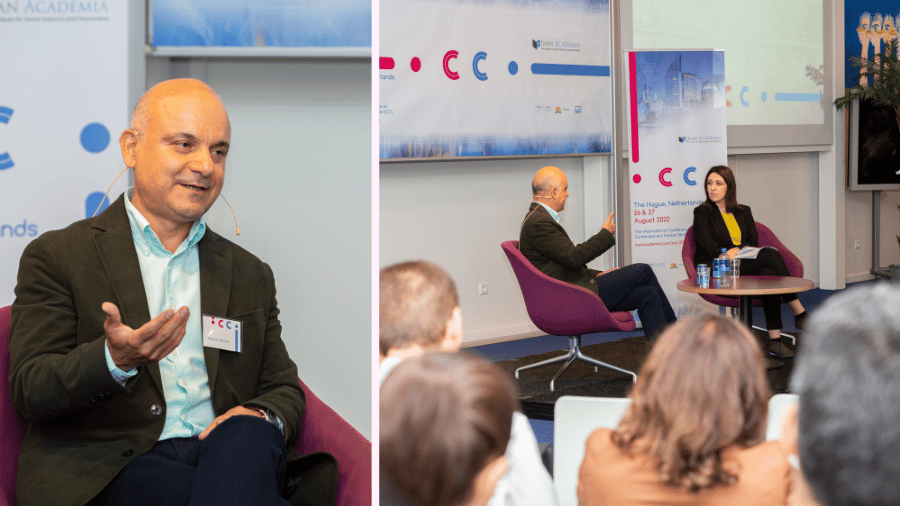
ICCI Conference 2022- Conversation with Kamran Matin by Anahita Hosseini- Friday 26 August 2022, ISS, The Hague, Netherlands