Ep 3 – The Architecture of Transition – Raha Bahreini – Part Two
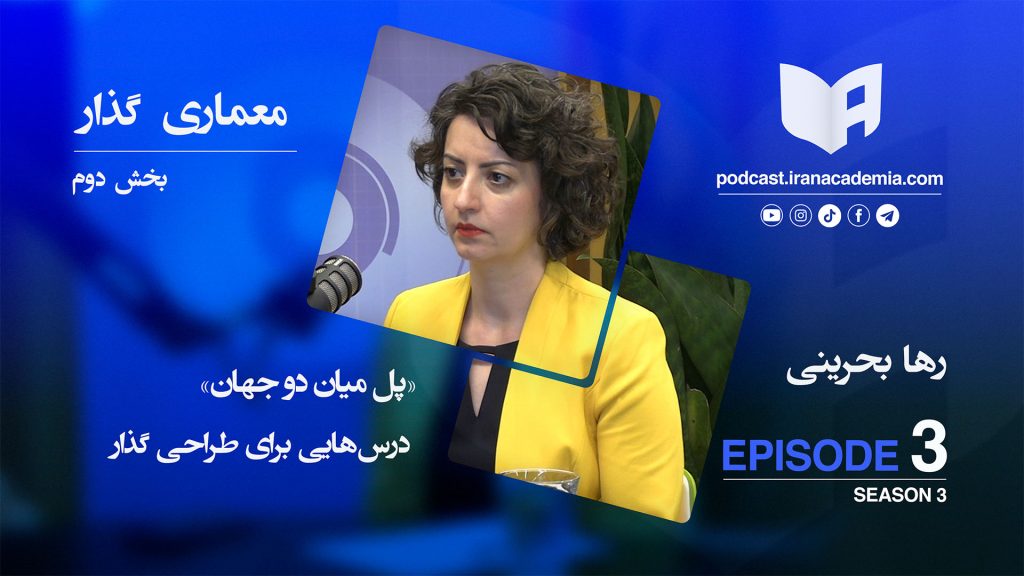
This is the second part of the educational package The Architecture of Transition and the third episode of the third season of the Iran Academia Podcast. The conversation was recorded in The Hague on May 22 and 23, 2026. In this episode, Sajad Sepehri hosts Raha Bahreini, a lawyer and human rights researcher, who participated in this educational conversation in her personal capacity. The episode examines transition as a bridge between the old order and the new one, focusing on historical experiences, interim rules, constituent assemblies, binding principles, and the limitation of power at the beginning of transition.
Criticism of Oppositionism
Criticism of Oppositionism – Examining the current status quo and formulating a plan for politics in today’s circumstances requires a critique of previously prevalent views.
Thermonuclear Slop and the Return of the Bomb
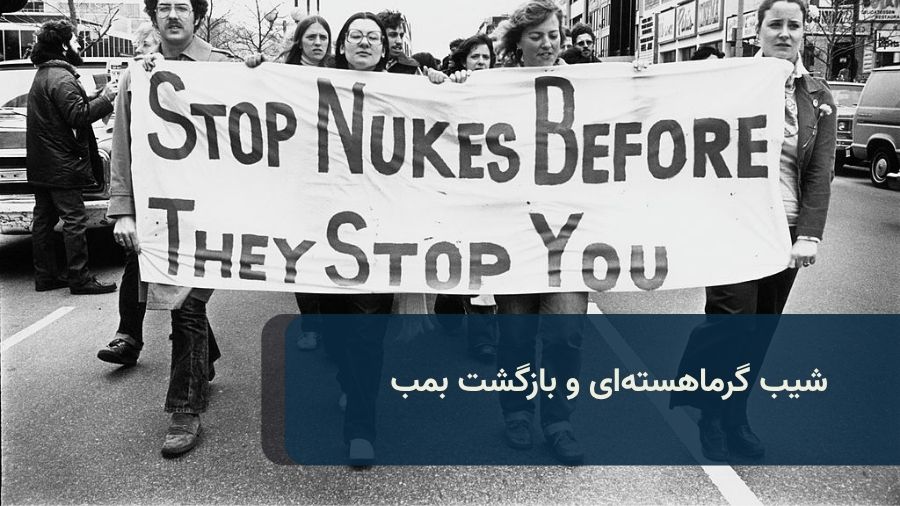
Thermonuclear Slop and the Return of the Bomb
By Leigh Phillips
Translated by Emmanuel Shokrian
The Role of Women in Empowering Societ
The 47th program of the Women, Life, Freedom Forum on the topic of “The Role of Women in Empowering Society.” In this online meeting, Azam Bahrami, Mansoureh Shojaei, Susan Karimi, and Afrooz Maghzi will examine how to rebuild and empower society in the midst of political and social crises and the unique role of women in changing unequal patterns. Time: Thursday, April 10, 2021.
Political Culture in the Shadow of Iranian Ideology: A Critical Analysis of Essentialist Discourses (A Case Study of Tabatabai, Kachooyan, and Doustdar)
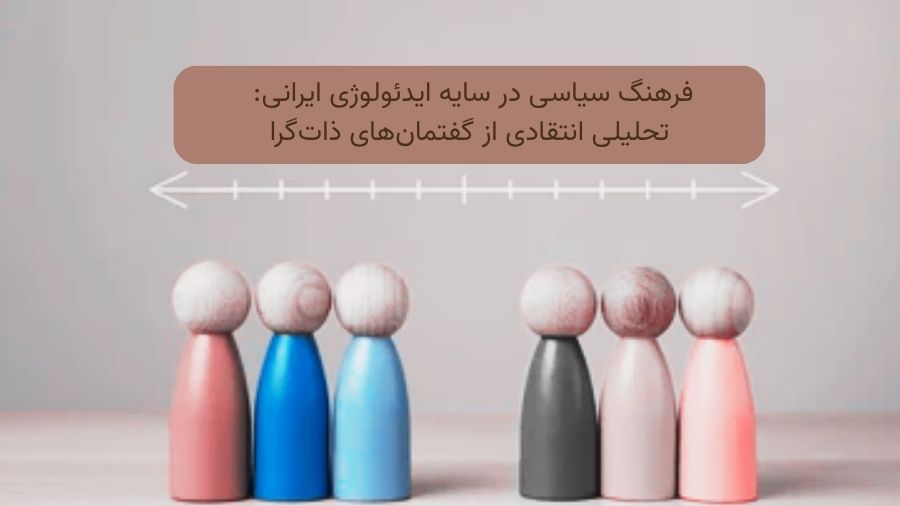
By Moein Kazemi
This article critically examines dominant approaches that reduce Iran’s political culture to essentialist notions of “national character,” offering transhistorical explanations that obstruct both scientific analysis and democratic political practice. Through a critical analysis of three prominent intellectual discourses—Iranshahr thought (associated with Seyed Javad Tabatabai), Islamic nativism (associated with Hossein Kachouyan), and the “impossibility of thinking” (associated with Aramesh Dustdar)—the article demonstrates how, despite their apparent differences in content (pride, revival, and reproach), these projects converge in their ideological function of excluding pluralism.
Intellectual and Moral Orientation in Today’s Painful and Complex Situation
سهشنبه ۷ بهمن ۱۴۰۴، ۲۷ ژانویه ٢٠٢۶، در برنامهای با موضوع «جهتیابی فکری و اخلاقی در وضعیت دردناک و پیچیدهی امروزین» همراه با
پرستو فروهر، عبدالکریم لاهیجی و محمدرضا نیکفر
اطلاعات بیشتر را در پُست مشاهده کنید.
آنلاین و زنده از طریق رسانههای اجتماعی ایران آکادمیا
Discursive Spheres Inside and Outside of Iran: Challenges and Prospects
The program “Discursive Spheres Inside and Outside of Iran: Challenges and Prospects” explores the discursive developments in Iranian society inside and among Iranians abroad, and examines the role of these spaces in understanding and guiding profound social transformations. In this session, with the presence of Negin Shiraghaei and Behrouz Afagh, the discussion will discuss how authoritarians and privileged individuals dominate certain discursive spaces, the role of media and social networks in reproducing or challenging narratives, and the impact of these discourses on collective memory and civil society action; a dialogue to understand the challenges, threats, and opportunities facing Iranian society on the path to strengthening democratic discourses.
The Mashhad Event and Its Aftermath: What Do We Know and What Do We Learn?
The program ‘The Mashhad Event and Its Aftermath’ provides an in-depth analysis of the incidents surrounding the memorial service for Khosrow Alikordi, a human rights lawyer. Featuring Mehrdad Darvishpour and Taghi Rahmani, this session explores key questions regarding the alignment of authoritarian forces in suppressing freedom of expression, the emerging polarizations within Iranian society, and the responsibility of civil society toward these new challenges. This dialogue seeks to understand why the Mashhad events serve as a serious warning to all pro-democracy and progressive movements.
Everything is Turning into a Bank!

The U.S. economy is turning into a bank, and a giant one, crippling production capacity and focusing profit margins solely on lending. In this article, Luke Goldstein shows how almost every major American company—from Starbucks, which manages billions of dollars in customer deposits, to airlines whose main revenue comes from selling credit card points—aspires to become unregulated banks optimized for huge profits. This phenomenon, known as “embedded finance” or “bankification,” is blurring the line between business and finance, exposing consumers to unprecedented financial risks and a repeat of the subprime mortgage crisis by promoting aggressive lending (such as “buy now, pay later”) and charging hidden fees.
Discussion About the Status Quo of Iranian Society
The “Woman, Life, Freedom” Forum, on its 41st program, featuring Parastou Forouhar, a writer, artist, and human rights activist, will discuss and examine in depth the status quo of Iranian society. This conversation seeks to answer fundamental questions about poverty, misery, and structural disorders, society’s response to these injustices, and civil society’s efforts to reclaim social spaces from the rulers. Also, the strategies of the elite and the privileged to maintain the discriminatory structure and how socialists are prepared to play a role in the massive social transformation that is taking place will be among the main focuses of this program.
Marx’s Late Writings on Russia Re-Examined
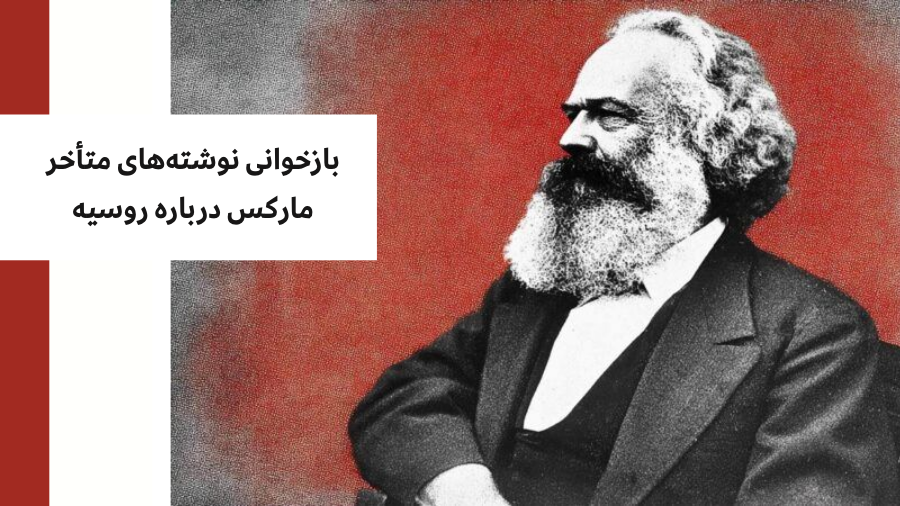
Marx’s Late Writings on Russia
This article by Kevin B. Anderson provides a critical and in-depth rereading of Karl Marx’s late and lesser-known writings on Russia. These writings outlined an alternative path for Russia to communism, based on rural communes (obshchina), that differed from the model of industrial capitalism in Europe. This vision, which culminated in the 1882 preface to the Communist Manifesto, is still of vital importance to anticapitalist movements today that seek “autonomous” paths to social transformation. This rereading compensates for a major loss within the framework of traditional Marxism for anticapitalist activists today.
Iran’s Social Landscape (9): Anfal, Patrimonial Development, Communical Ownership
The Women, Life, Freedom Forum is hosting: “Iran’s Social Perspective (9): Anfal, Patrimonial Development, and Communal Ownership.” This program addresses the fundamental roots of injustice, plunder, and structural crises in the Islamic Republic. Are today’s disorders the inevitable consequence of the legal and regulatory foundations of a government that claims to be of heavenly origin? This discussion raises the central question of whether it is possible to understand the roots of social disorder and draw a vision for sustainable development without understanding and critiquing the economic mechanisms of the Islamic Republic and clarifying the ownership of national resources and reserves? This program will be hosted by Dr. Mehrdad Vahabi, economist, writer, and professor at the Sorbonne University in Paris.
Iran’s Social Landscape (7): Challenges Facing Pacifists in Iran and the Middle East
In the 38th program of the “Women, Life, Freedom Forum”, on the topic of “Challenges Facing Pacifists in Iran and the Middle East”, we will host Mehrzad Boroujerdi (political analyst) and Nazli Kamuri (journalist and researcher). This specialized session will analyze the place of pacifism among the civil and social demands of Iranian society and examine the connection between the struggle for peace and the ideals of freedom, equality, and social justice. The outlook for the peacemaking movement in the region and ways to realize its potential will be the main focus of this online discussion. Time: Thursday, October 30, 2025, 8:30 PM Iranian time.
Khāndani-hā # 6 – The Present Past with Tahmineh Farhat and Maryam Foomani
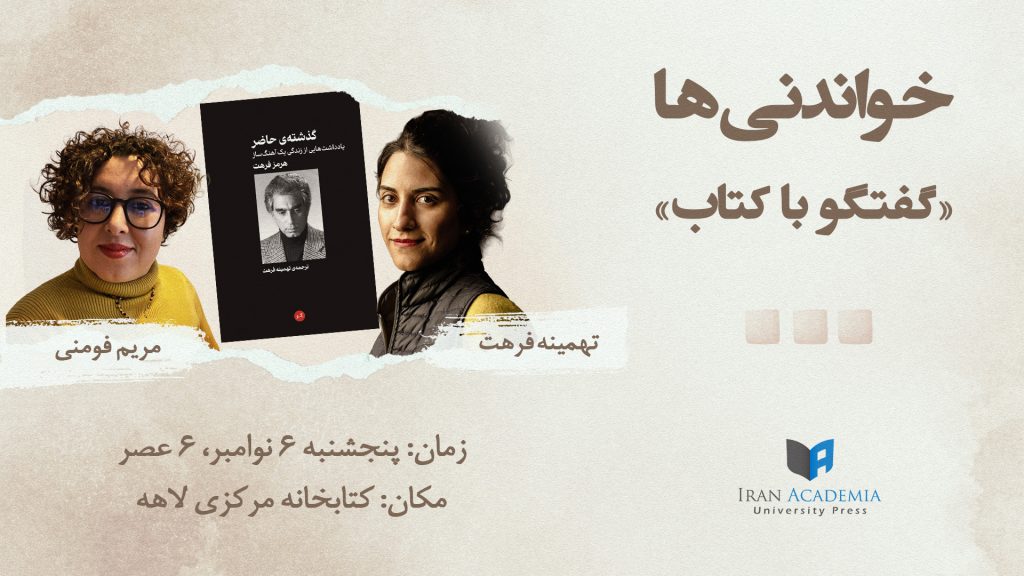
Khāndani-hā # 6 – The Present Past with Tahmineh Farhat and Maryam Foomani. The Present Past is a selection of memoirs by the renowned Iranian composer and musicologist Hormoz Farhat, written in English during the final years of his life.
Quantum Physics Needs Philosophy, But It Shouldn’t Rely On It.

Lee Smolin (born 1955) is an American-Canadian theoretical physicist best known for his contributions to quantum gravity and philosophical reflections on time, space, and the nature of reality. He is a leading figure in the theory of loop quantum gravity, a theory that attempts to unify Einstein’s general relativity with quantum mechanics without resorting to the framework of strings. Smolin is a vocal critic of string theory and an advocate for reconsidering the place of philosophy in modern science. The following is a speech by Slavoj Žižek at a conference honoring Smolin’s work, entitled “The Lee Celebration: Quantum Gravity and the Nature of Time,” held in Waterloo, Canada, on June 5, 2025.
Iran’s Social Landscape (6): Honoring Dr. Abdolkarim Lahiji, Towards a Rights-Based Society
The views of prominent jurist and head of the Human Rights Defense Society in Iran, Abdolkarim Lahiji, have received special attention as the focus of criticism and analysis of the need for fundamental legal reforms. This program can be an essential resource for understanding current legal complexities and future strategies for achieving citizenship rights.
Some Benjaminian themes – A dissident philosophy of history
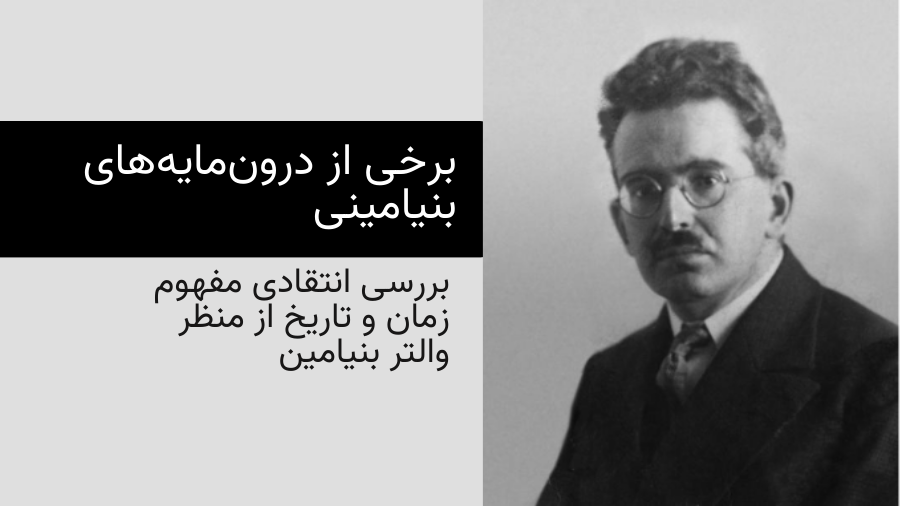
This article critically examines the concept of time and history from the perspective of Walter Benjamin. In this analysis, Benjaminian thought is contrasted with the linear and progressive narrative of history presented by traditional historical materialism. This article shows how Benjamin, by introducing key concepts such as “the present” (Jetztzeit) and “the angel of history”, emphasizes the importance of the revolutionary moment and its ability to rescue and reinterpret the past. This research explores Benjamin’s thought as an attempt to free history from the shackles of dominant narratives and restore it to its dynamism and emancipatory possibilities.
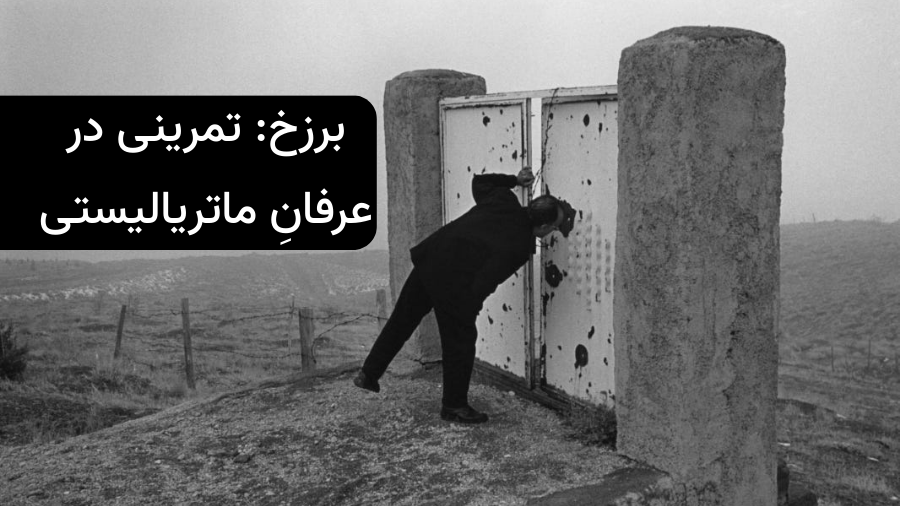
Purgatory: An Exercise in Materialistic Mysticism
Purgatory: An Exercise in Materialistic Mysticism
This article is a review of Joan Copjec’s book “Cloud: Between Paris and Tehran,” delves into a complex intersection of Islamic Sufism, Lacanian psychoanalysis, and the cinema of Abbas Kiarostami. The article argues that Copjec’s work reinterprets Sufi concepts, particularly those of Ibn Arabi, to reveal a novel understanding of reality. It focuses on the paradoxical idea of a “cloud” or barzakh—a primordial barrier that is simultaneously a tiny material remnant, an immaterial space, and a veil.
Between East and West: Kiarostami’s Cinema in Copjec’s Dialogue with Lacan and Corbin
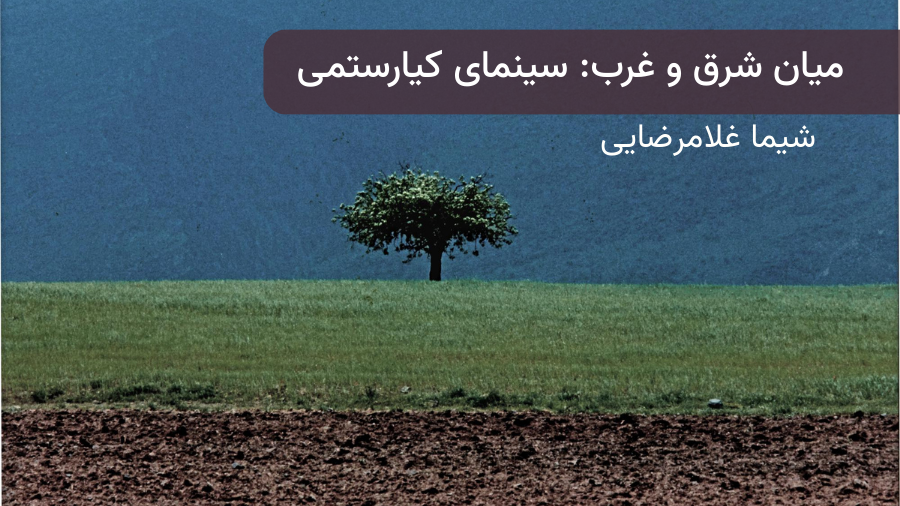
Between East and West: Kiarostami’s Cinema in Copjec’s Dialogue with Lacan and Corbin
This article reviews Joan Copjec’s latest book, “Cloud: Between Tehran and Paris: Kiarostami, Corbin, Lacan” (2025), in which Copjec provides a meticulous analysis of Sufi Gnosticism in the early days of Islam, to its flourishing in the thirteenth century and then its rediscovery in the twentieth century by Henry Corbin.
Sexual Relations and Social Class Struggle
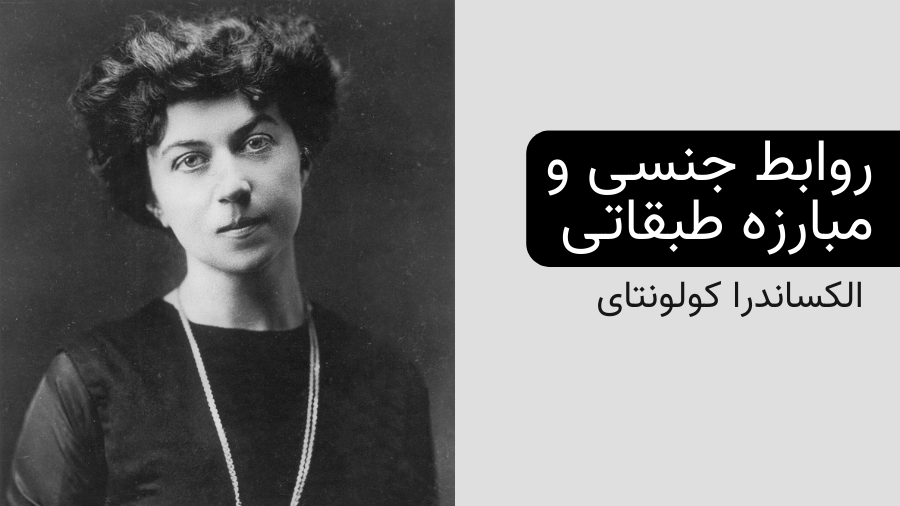
این مقاله ترجمهٔ بخشی از متن کلاسیک «روابط جنسی و مبارزهٔ طبقاتی» اثر الکساندرا کولونتای است که در سال ۱۹۲۱ به رشتهٔ تحریر درآمد. کولونتای در این نوشته، بحران جنسی در جامعهٔ بورژوایی را تحلیل میکند و ریشههای آن را در ساختارهای اقتصادی و روانشناسی فردگرایانه جستوجو مینمید. او با مقایسهٔ تاریخی اخلاق جنسی در دوران فئودالیسم و سرمایهداری، استدلال میکند که قوانین اخلاقی هر دوره، بازتابی از ساختارهای طبقاتی آن جامعه هستند. به اعتقاد او، راهحل این بحران نه در اصلاحات جزئی، بلکه در تغییرات بنیادی اجتماعی و اقتصادی نهفته است؛ تغییراتی که با جایگزینی خودپرستی بورژوایی با اصل رفاقت پرولتری، «بازآموزی ریشهای روان» انسان را ممکن میسازد و ظرفیت او برای عشق ورزیدن را افزایش میدهد. این متن برای علاقهمندان به نظریههای فمینیستی، مارکسیسم و تاریخ اجتماعی منبعی تأملبرانگیز است.
“Unpleasantness” and the Subject: A Conversation with Slavoj Žižek
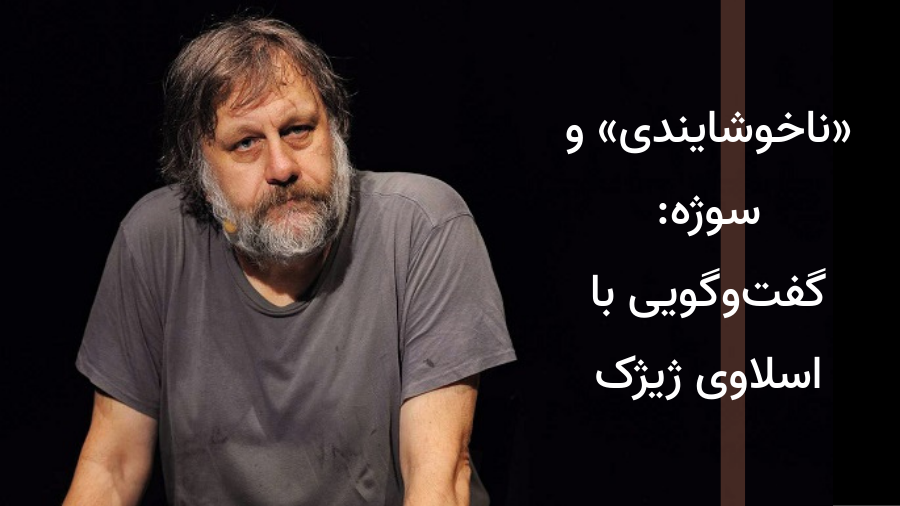
“Unpleasantness” and the Subject: A Conversation with Slavoj Žižek. In this interview, Slavoj Žižek discusses his engagement with psychoanalysis, particularly his “critical” approach to Jacques Lacan, which he describes as an attempt to make Lacan’s ideas more concrete and to expose the inconsistencies and radical shifts in his thought.
On Wanting to Change: Introduction
On Wanting to Change: Introduction
This article examines why we always desire change and how this desire has transformed, from the experience of religious “divination” to modern psychological therapies.
Khāndani-hā # 5 – The Impact of Inequality – With Mazdak Daneshvar
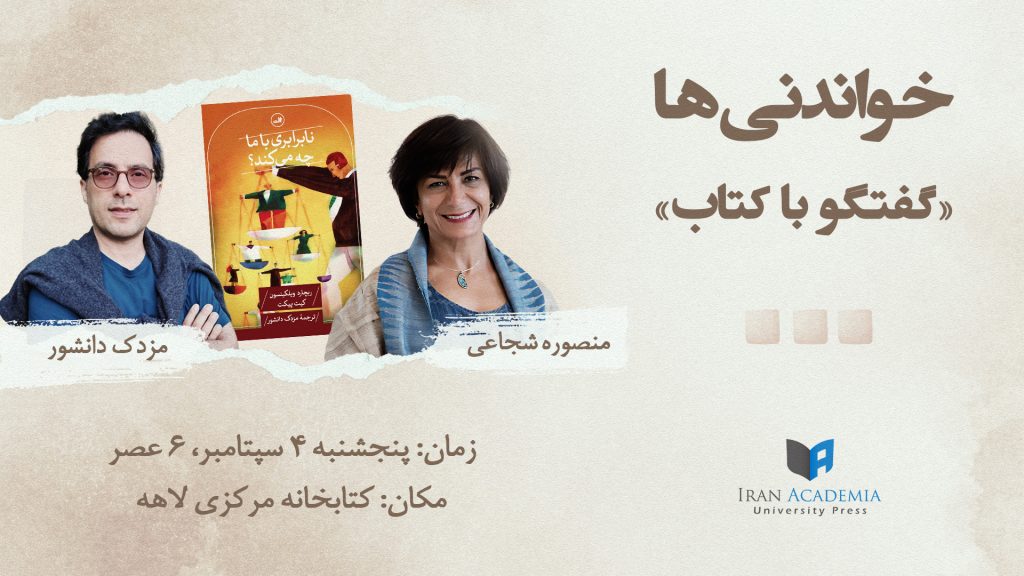
In the fifth session of Khandani-ha: Conversations with Books, we read and reflect on The impact of Inequality, (link to the english book) a book that brings evidence, clarity, and urgency to one of today’s most pressing questions. Written by British researchers Richard Wilkinson and Kate Pickett, the book has shaped public debates around health, trust, and the social costs of inequality.
🎥 A video message from Richard Wilkinson, recorded especially for this event, will open the evening sharing the authors’ motivation and the impact of their research.
This is an in-person event and you must register to attend.
The recorded video of this program will be broadcast on the YouTube channel.
Lectures: Transition from Authoritarianism to Democracy
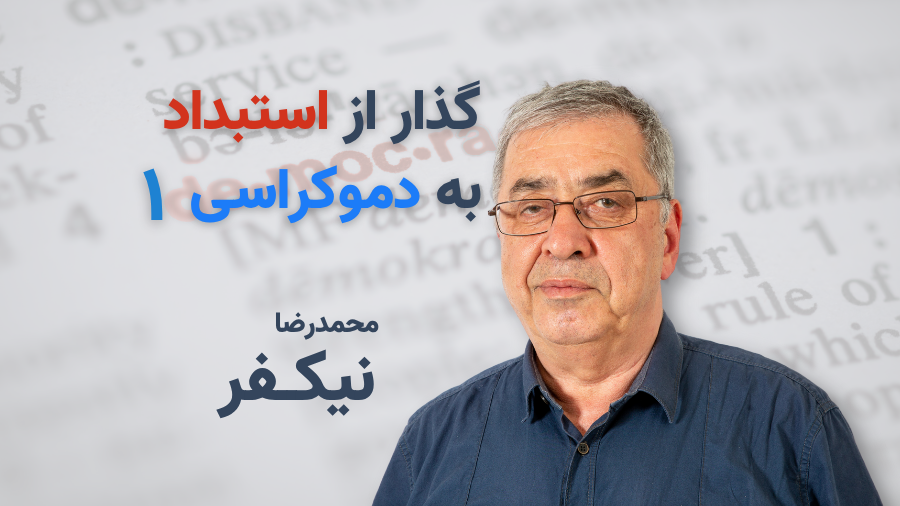
Transition from Authoritarianism to Democracy
Normalizing Peace in a World Normalized by War and Violence
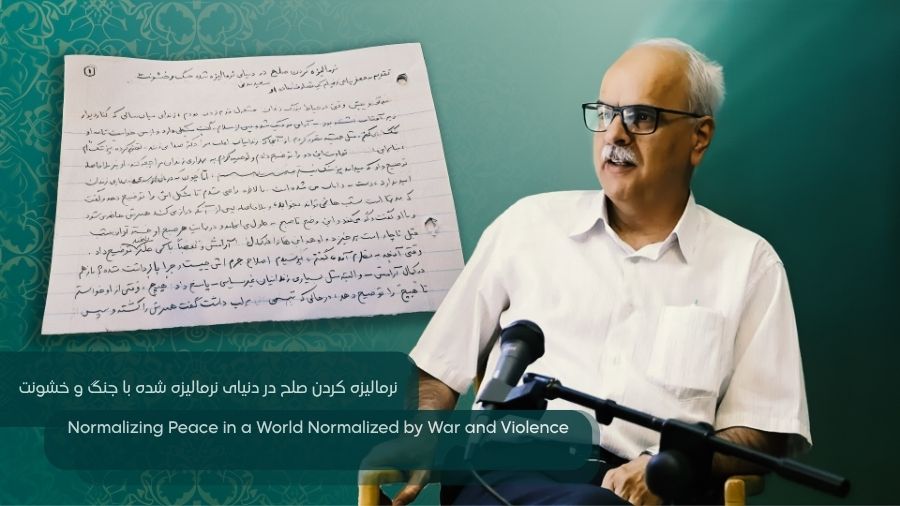
This text was written by Saeed Madani in May 2025, before the onset of the Israel-Iran strikes, under the dire conditions of imprisonment in Damavand, a small city where prison conditions are markedly harsher than those in larger urban centers, offering prisoners far less freedom of will.
Dedicated to Jafar Panahi and his film It Was Just an Accident
Khandani-ha – 4 – With Pardis Goudarzian
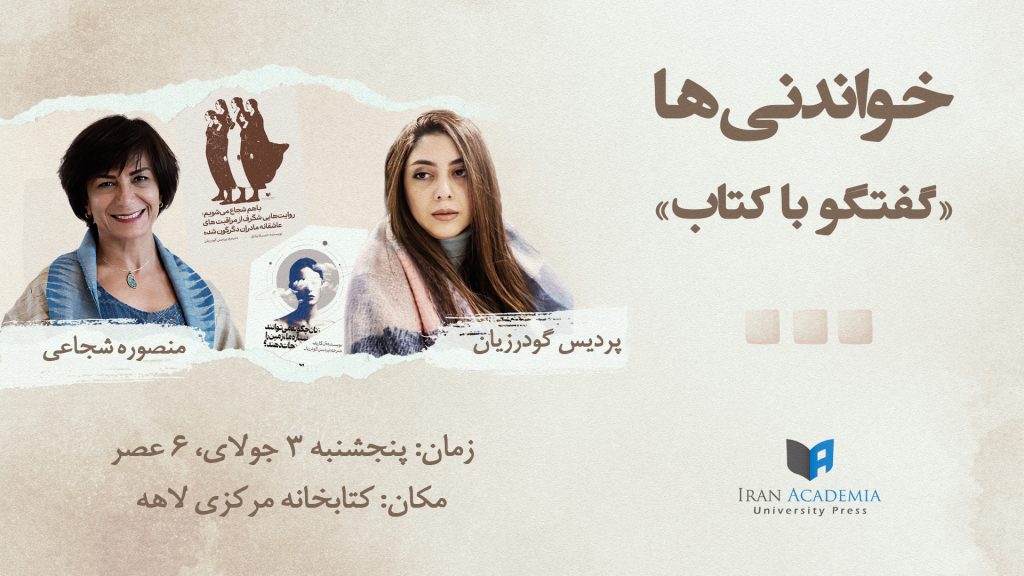
📚 The fourth session of “Khandani-ha, Conversations with Books” with Pardis Goudarzian, researcher and interpreter, will be held by Iran Academia at The Hague Central Library. This Persian event is focused on reviewing two stellar books on women, climate change, and motherhood. Mansoureh Shojaee will be discussing these important topics with Pardis Goudarzian at this gathering.
Date and Time:
📅 Thursday, July 3, 2025 | 18:00-20:00
Please register to take part in this event.
Seven Days, An Inspiring Narrative of the Human Self and We

inspiring
29th Episode of the Woman, Life, Freedom Forum
• What responsibility does the human individual have in society, especially in a disordered society?
• What is the social role of a human (where is it)?
• How will the difficult path of the socialists towards transformations be paved?
• What twists and turns do the ‘human self’ and ‘we’ take in the course of social transformations?
• What is the traditional or patriarchal narrative of motherhood?
• Is motherhood limited only to the care and upbringing of the child (the human individual) or does it also extend to human society?
On Friday, June 6, in a program titled “Seven Days: An Inspiring Narrative of the Human Self and We,” we will discuss these and other related questions with Narges Mohammadi and Ali Samadi.
This event will be livestreamed on the Iran Academia YouTube channel.
Iran Academia Podcast – Mana Khosrowshahi
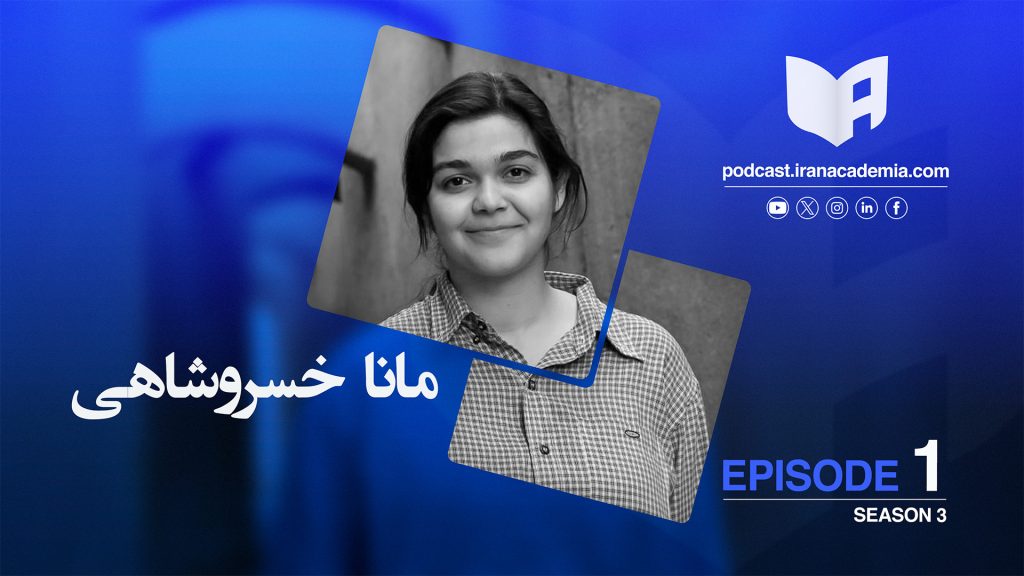
Iran Academia Podcast host Sajjad Sepehri sits down to talk with Mana Khosrowshahi, a researcher, PhD student in development, and author of the book, “Let’s Not Be Afraid of Socialism.” The conversation took place on May 2, 2025, at Iran Academia’s studio in The Hague, and was broadcast live on Iran Academia’s official YouTube channel. You can also listen to this episode on Spotify.
The Unconscious of the Political Economy
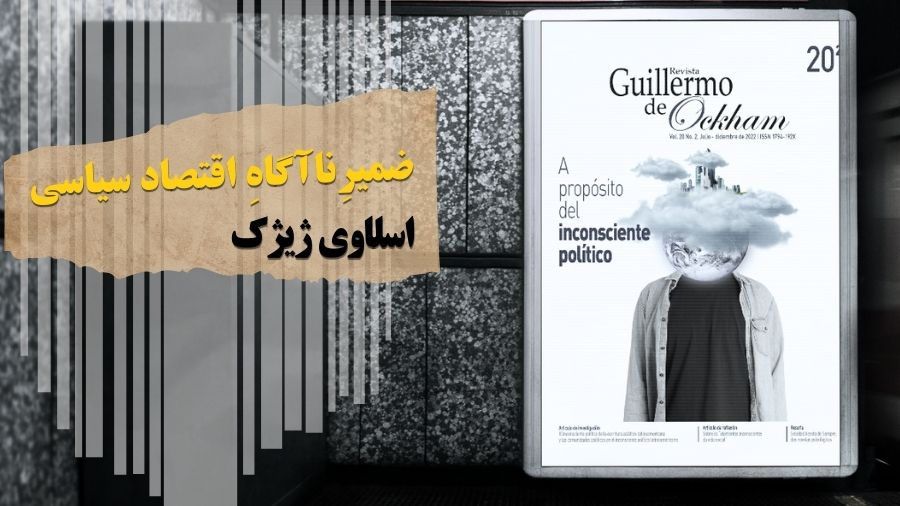
The Unconscious of the Political Economy
Author: Slavoj Žižek
Translator: Mohammad Mehdi Mashayekhi
Editor: Hossein Mottaghi
This article is one of the articles in the special issue of “The Political Unconscious” in the journal “Guillermo de Occam”, in which Slavoj Žižek analyzes the theoretical connections between Marx, Freud and Lacan through concepts such as drive, unconscious and the mechanisms of the capitalist economy, and argues that the logic of capital’s movement in Marxian theory is similar to drive in Freudian theory, where repetition does not function to achieve a specific goal, but as a structural compulsion: capital is also a mindless and automatic mechanism that uses its agents, regardless of their personal interests, as tools for ever greater reproduction.
The article attempts to show that understanding capitalism requires an understanding of its unconscious mechanisms, because the capital system is based not solely on individual actions, but on a logic independent of its agents, which, like a drive, reproduces itself through endless repetition.
Öcalan’s Call and Its Consequences – (27th Episode of the Woman, Life, Freedom Forum in Cologne, Germany)
Öcalan’s Call and its Consequences – (27th Episode of the Woman, Life, Freedom Forum in Cologne, Germany)