“Constitutional Crisis, The Third Constitution” – (27th Episode of the Woman, Life, Freedom Forum in Cologne, Germany)
“Constitutional Crisis, The Third Constitution”
The twenty-seventh program in our series of programs related to the Woman, Life, Freedom movement, with the topic “Constitutional Crisis, the Third Constitution,” is being held jointly with the Azadi Andishe Association and in cooperation with Iran Academia and Melanchthon Akademie.
The program will begin with lectures by Sedigheh Vasmaghi and Kazem Kardavani.
Date: Friday, 28 March 2025
Dialogue: 4:30 pm CEST Program: 5:00 pm to 8:00 pm CEST
Venue: Kartäusergasse 9, 50678 Köln
We cordially invite you to participate in this program.
Of A Renunciation of the Father
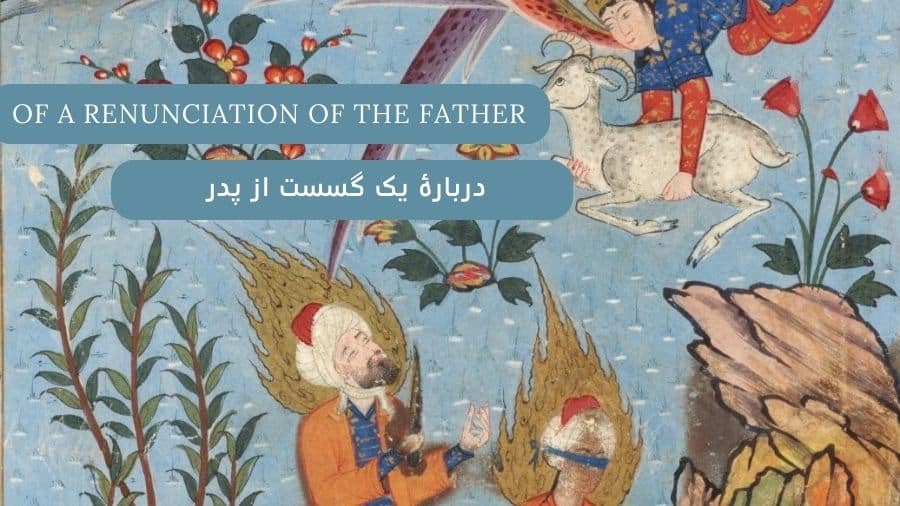
Of A Renunciation of the Father
Freud, in his examination of monotheistic religions, does not pay much attention to Islam and at times appears to make problematic claims about it.
Fethi Benslama, a Freudian-Lacanian psychoanalyst, presents a perspective on the origins of Islam that serves as both a critical and complementary reading of Freud’s intellectual project.
According to him, Islam has inherited a specific genealogical condition from Judeo-Christian monotheism, and for this reason, from its very emergence in the sixth century, it has positioned itself with a theology that is anti-paternal and thus carries an anti-psychological characteristic.
Benslama, emphasizing the separation of the father from God in Islam—and particularly considering the subject that emerges as a result of this separation—embarks on a psychoanalytic inquiry that, in his own words, is merely a beginning for understanding certain implicit meanings of faith in a God who is both “being” and “reality.”
Materialism and Theology
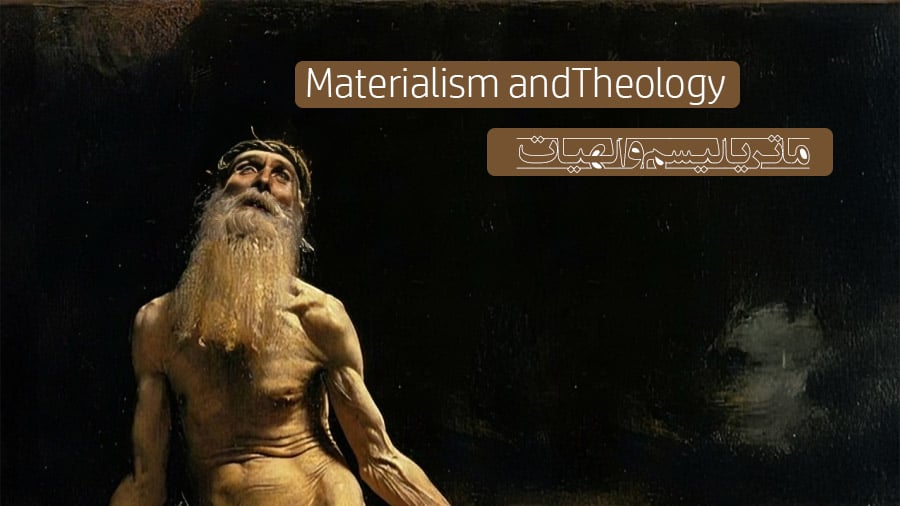
Materialism and Theology
In this section, Žižek approaches the critique of ideology with a materialist reading of the Western religious tradition and, by examining the God of Judaism and Christianity, compares Job with Christ. Unlike Freud, who considered Christ to be a repetition of Moses, Žižek views Christ as a repetition of Job. He believes that the key to understanding Christ lies in the figure of Job, although Christ’s divinity radicalizes his cries on the cross, rendering this gesture far more fundamental and consequential.
What Did We Miss in Syria?
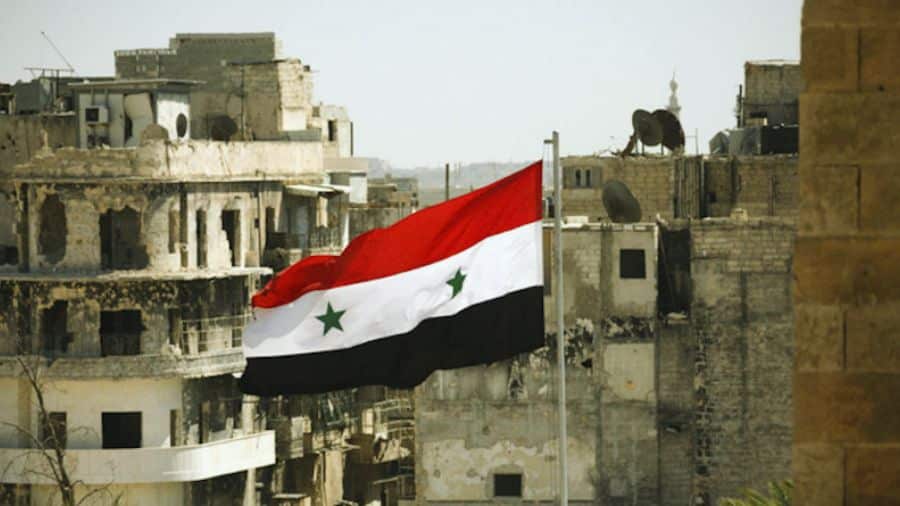
What Did We Miss in Syria?
Recent developments that look like triumphs of religious fundamentalism represent not a return of religion in politics, but simply the return of the political as such. If they look foreign to Western eyes, that is because the West no longer stands for anything Westerners are willing to fight and die for.
The Problem of Nation Building in Iran (23rd Episode of the Woman, Life, Freedom Forum in Cologne, Germany)
This is the 23rd episode of our series of discussions regarding the Woman, Life, Freedom Movement with a focus on “The Problem of Nation Building in Iran”.
This event is being held in collaboration between Iran Academia and the Melanchthon Akademie.
The event will begin with speeches by Asghar Shirazi. and Meysam Badamchi.
Date: Friday, 15 November 2024
Opening: 4:30 pm CEST
Event: 5:00 pm to 8:00 pm CEST
The Expanding Scope of Israel-Palestine Conflicts (22nd Episode of the Woman, Life, Freedom Forum in Cologne, Germany)
This is the 22nd episode of our series of discussions regarding the Woman, Life, Freedom Movement with a focus on “The Expanding Scope of Israeli-Palestinian Conflicts”.
This event is being held in collaboration between Iran Academia and the Melanchthon Akademie.
The event will begin with speeches by Saeed Rahnema and Behrouz Arefi.
Date: Friday, 25 October 2024
Opening: 4:30 pm CEST
Event: 5:00 pm to 8:00 pm CEST
For Lacan, against Lacanian Ideology
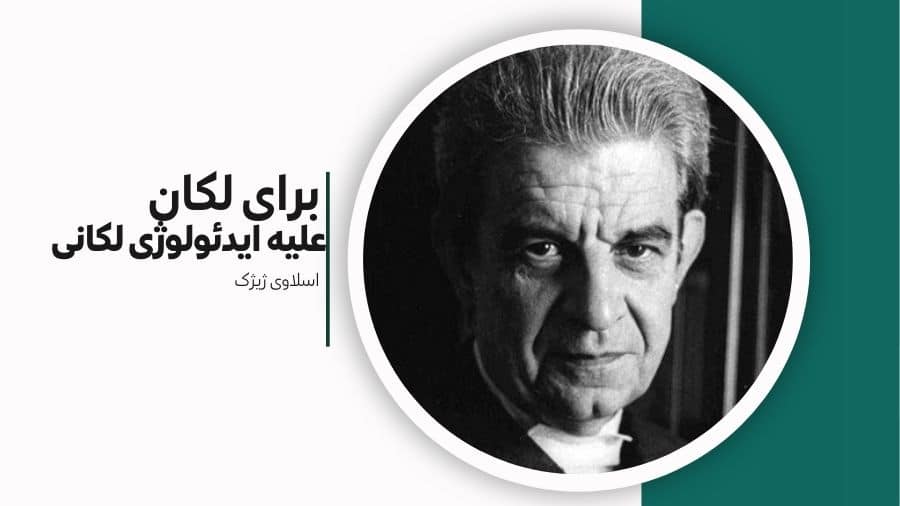
For Lacan, against Lacanian Ideology
By: Slavoj Žižek, Translated by: Ashkan Beheshti
Rethinking the Impact of the Woman, Life, Freedom Movement
Rethinking the Impact of the Woman, Life, Freedom Movement
This is the 21st episode of our series of discussions regarding the Woman, Life, Freedom Movement with a focus on “Rethinking the Impact of the Woman, Life, Freedom Movement”.
This event is being held in collaboration between Iran Academia and the Melanchthon Akademie.
The event will begin with speeches by Nayereh Tohidi and Mansoureh Shojaee.
Date: Friday, 27 September 2024
Opening: 4:30 pm CEST
Event: 5:00 pm to 8:00 pm CEST
If you watch the program from YouTube during its live broadcast and want to ask a question, you need to be logged in with a user account.
To contact the event organizers: forumzanzendegiazadi.cologne@gmail.com
Live broadcast on Iran Academia social media network
Efficiency vs. Meaningful Work: A Critical Survey of Historical and Contemporary Debates
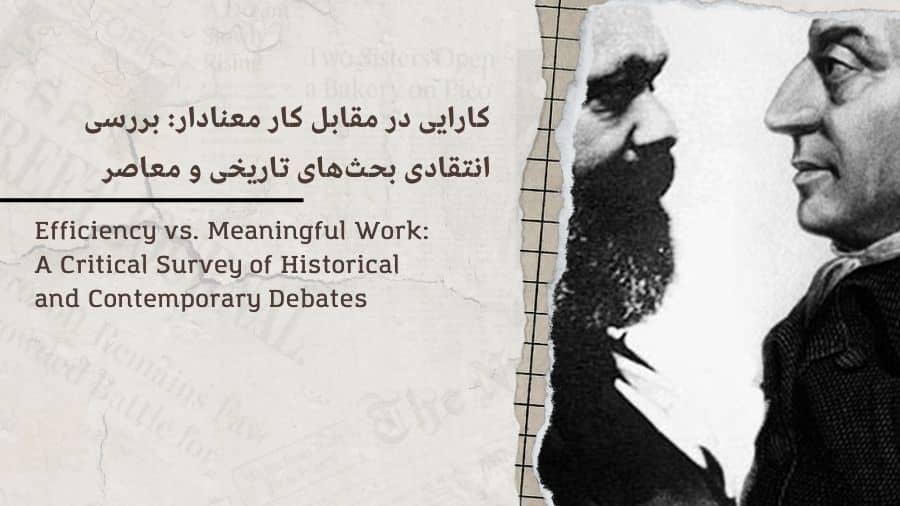
By: David A Spencer, Translated by: Emmanuel Shokrian
This paper considers the trade-off between the demand for efficiency and the demand for meaningful work. It asks whether this trade-off should be treated as inevitable or potentially resolvable, at least under reformed conditions. It compares historical and contemporary debates where the trade-off features. It focuses initially on Adam Smith’s account of the division of labour in which less meaningful work is assumed to be the necessary price of higher efficiency. It then examines Karl Marx’s analysis of work, showing how it differs from that of Smith. Marx addressed the scope for achieving meaningful work whilst supporting needs fulfilment in a future socialist society. In addition, the paper looks at how the ideas of Smith and Marx relate to modern discussions that focus on the capacity of new digital technologies to lighten work. Finally, it draws lessons for welfare economics on how meaningful work and efficiency might be reconciled.
Rethinking Intellectuals Following Iran’s 1979 Revolution
Twentieth event of the “Woman, Life, Freedom” Forum in Köln, Germany
Speaker: Kazem Kardavani
Date: Friday, 6 September 2024
Dialogue: 4:30 pm CEST
Program: 5:00 pm to 8:00 pm CEST
Live broadcast followed by Q&A
How does intellectualism connect with new thinking and dissenting thinking, and both of these with the rethinking of intellectuals?
How can the rethinking of intellectuals illuminate the dark horizons of the future and be effective in opening the way to the future?
Did intellectuals rethink the revolution and its aftermath? If so, how?
What is the effect of intellectuals’ thinking and rethinking on the social action of socialists?
What is the effect of intellectuals’ thinking and rethinking on the collective intelligence of society?
We invite you to participate in this program.
“Woman, Life, Freedom” Forum
Intuition and rationality in Iranian culture
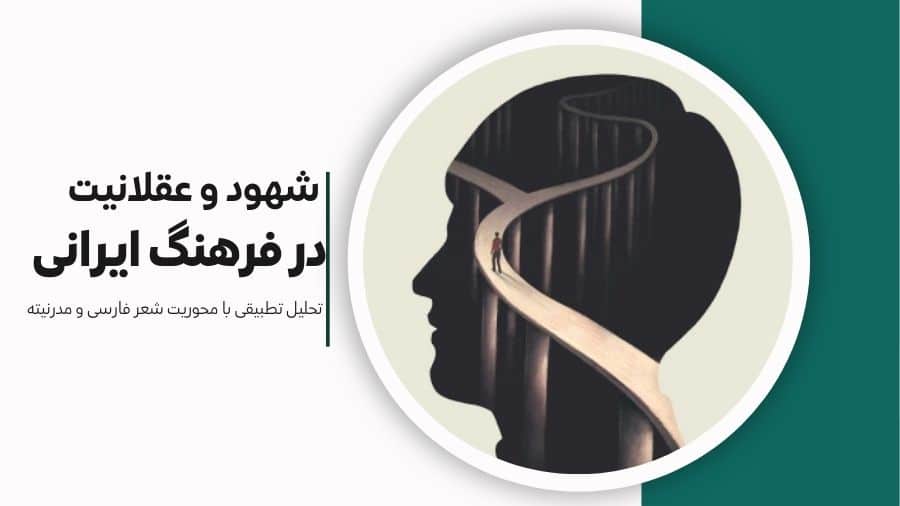
By: Sara Shadabi
This article examines the impact of intuition on Iranian culture and society and how it interacts with rationality. Persian poetry, as a significant cultural phenomenon, is analyzed from a psychological perspective, particularly in terms of its deep connection with intuition. Additionally, rationality is explored from a psychological standpoint, along with its alignment with modernity.
Obedience and Reification: Can We Find Common Ground Between Lukács and de La Boétie (The founder of Civil Disobedience Theory)?
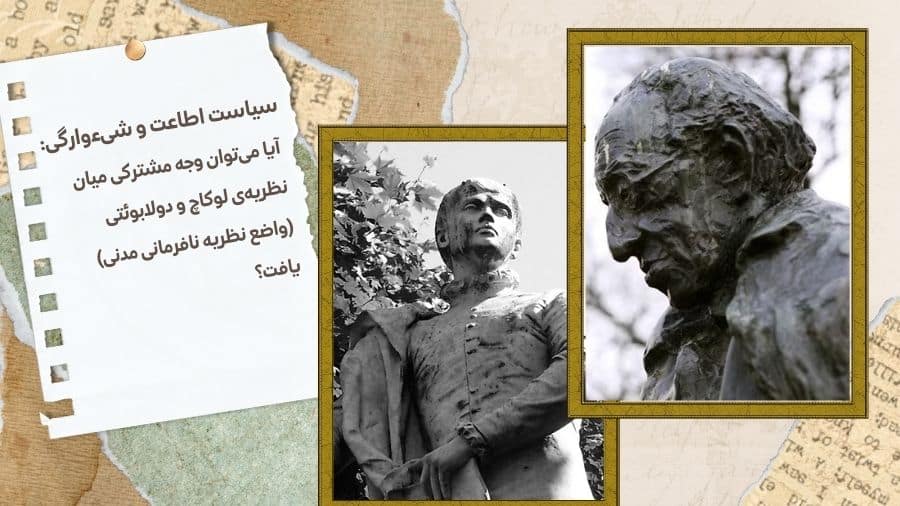
This Essay is written in Persian
The Government Attempting to Reproduce Itself – Contradictions, Problems, Opportunities
On Friday, August 2, we will discuss these and other related questions in an event with Mohammad Reza Nikfar, author and lecturer of political philosophy. The Government Attempting to Reproduce Itself The 19th event of our series of discussions regarding the “Women, Life, Freedom” movement, focusing on the topic of “The Government Attempting to Reproduce […]
On Jouissance
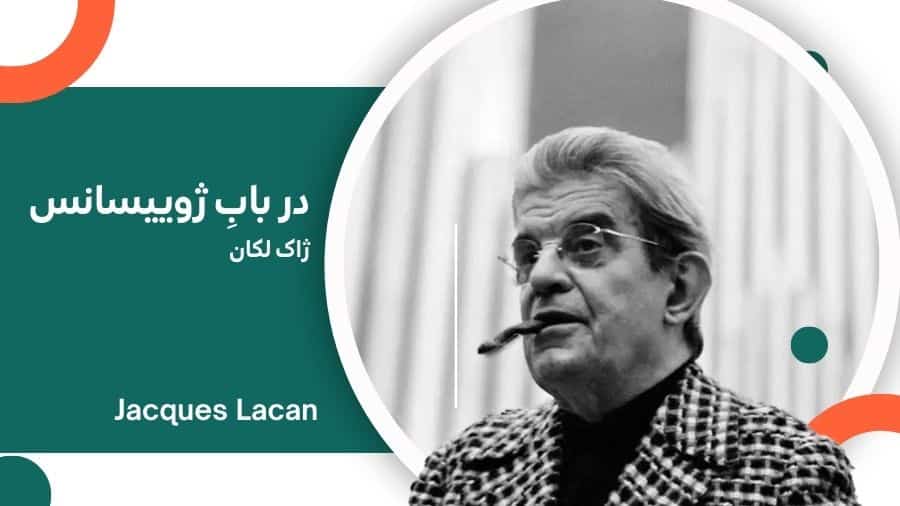
By: Jacques Lacan, Translated by: Ashkan Beheshti
The present text is a translation of the chapter “On Jouissance” from Lacan’s seminar titled “Femininity and Sexuality.”
Friedrich August von Hayek Was an Enemy of Freedom
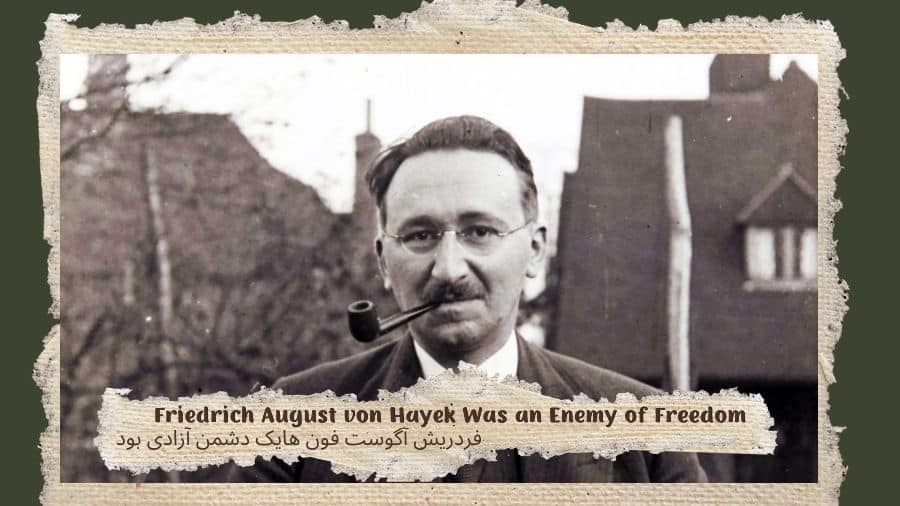
By: Ingar Solty
Translated by: Emmanuel Shokrian
Today marks 125 years since the birth of Austrian-British economist Friedrich August von Hayek. He theorized the need to keep the masses away from the levers of state power — and did it in the name of defending freedom.
Of all the enemies of democracy and freedom, Friedrich August von Hayek was probably the smartest. At least, he was the most influential: the structures of today’s global economy — the European Economic and Monetary Union, central banks, “balanced budget amendments” to national constitutions, and “free” trade agreements guaranteeing capital’s future profits — are essentially based on his ideas and those of his students.
Freedom of the Press and Media and Its Relationship with Freedom of Expression
This essay is written in Persian.
By: Jamal Fathi
Left, Democracy, and Authoritarianism
The seventeenth of our series of events in regards to the Women, Life, Freedom movement, with a focus on “Left, Democracy, and Authoritarianism”, will be held as a collaboration between Iran Academia and the Melanchthon Akademie.
The event will begin with a speech delivered by Alireza Behtoui.
Date: May 31, 2024
Opening and Dialogue: 4:30 pm CET
Official Event: 5:00 pm CET, ending at 8:00 pm CET
Venue: Melanchthon Akademie, Kartäusergasse 9, 50678 Köln
It is our pleasure to invite you to this event.
The live broadcast of this event is provided below.
Revisiting Vygotsky for Social Change
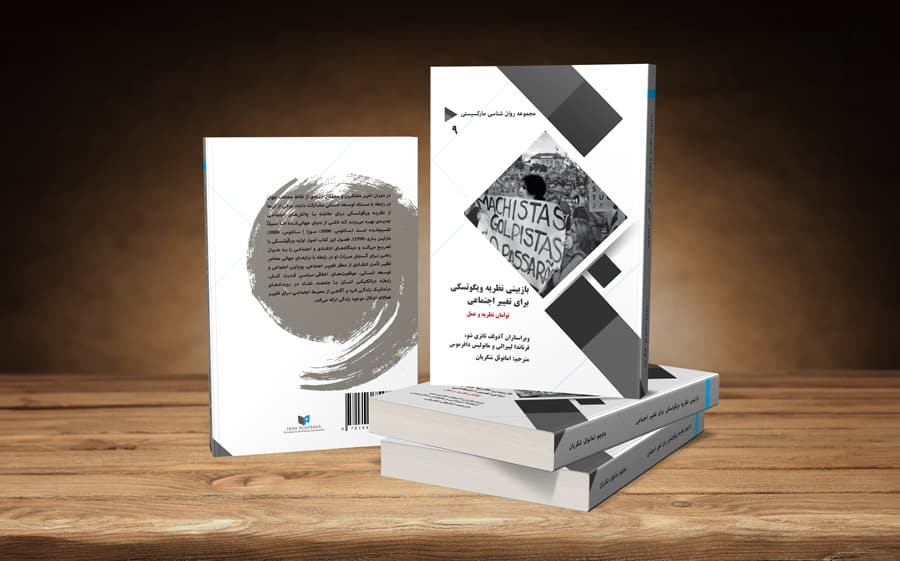
by Adolfo Tanzi Neto, Fernanda Liberali, and Manolis Dafermos
Translated by: Emmanuel Shokrian
In recent times, many thinkers and researchers from around the world have been engaged in the issue of human development. Some of them utilize Vygotsky’s theory to address the new social challenges arising from a globalized yet deeply divided world (Santos, 2000; Sousa e Santos, 2008; Martín-Baró, 1998). The chapters of this book elucidate the fundamental principles of Vygotsky and present critical and social perspectives as a means to extend his legacy in relation to contemporary global needs. These include critical reflection from the standpoint of social change, social dynamics and human development, the ethical-political positions of power in action, the dialectical relationship between individuals and society, the conflict within the dramatic events of individual life, and awareness of the social environment to actively transform existing forms of life.
Happy Birthday Kant, You Lousy Sadist
By: Slavoj Žižek
Translated by: Hossein Mottaghi
Problems of Psychology in the Works of Karl Marx
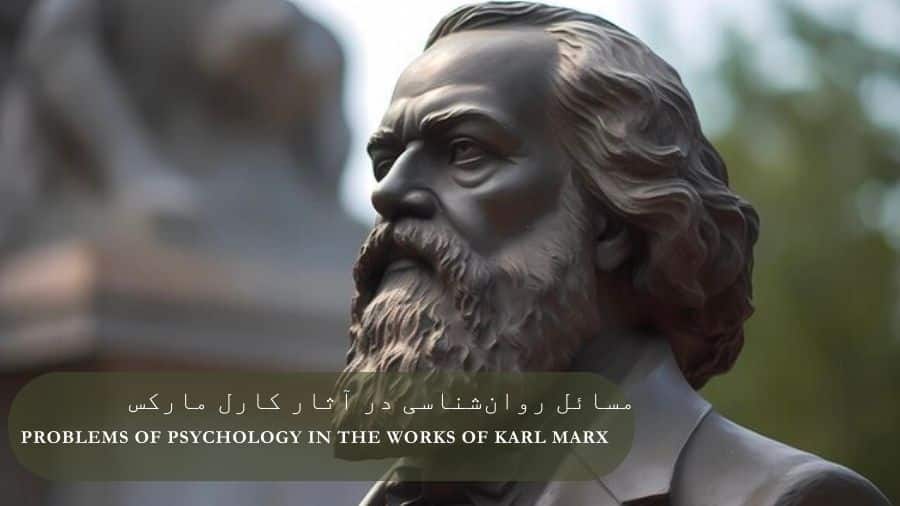
In the philosophy of Karl Marx, psychology, akin to political economy, is not a field that has been systematically elaborated. Among Marx’s collected works, there is no dedicated treatise on psychology. However, several of his writings contain dispersed insights on various psychological topics. While these remarks are not systematically organized at first glance, they still exhibit a coherent internal unity. As these segments further develop their content, they begin to coalesce into a unified whole, permeating throughout Marx’s entire worldview.
A new structural transformation of the public sphere?
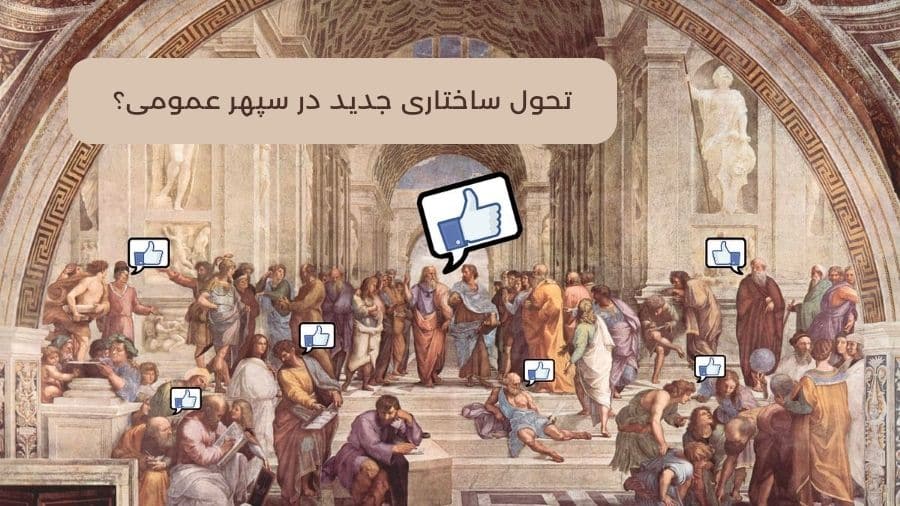
In the article “A new structural transformation of the public sphere?” we give a short overview of Habermas’s arguments on the rise and fall of the bourgeois public sphere, demonstrate the necessary link between the public sphere and democracy and, referring to the contributions to this special issue, sketch current transformations of the public sphere along three basic processes – digitalization, commodification, and globalization.
The Known and Unknowns of Civil Society and its Questions
What is the state of Iran’s civil society? What do we mean when we talk about “civil society”? What do socialists mean by the concept of “civil society”? What is the role of civil society in the Iranian people’s social life and what can it be? What is the position of civil society in the convergence of society? What is/will be the role of civil society in Iran’s governance today and tomorrow? How can socialists get along with civil society?
14th Event of the Woman, Life, Freedom Forum – Cologne, Germany
Guests: Mansoureh Shojaee and Taghi Rahmani
23 February 2024 – 5:00 pm CEST
Melanchthon Akademie – In collaboration with Iran Academia University
Live broadcast through the Iran Academia social media networks
Venue: Melanchthon Akademie, Kartäusergasse 9 – 11, 50678 Köln
An Elegy For Withered Flowers
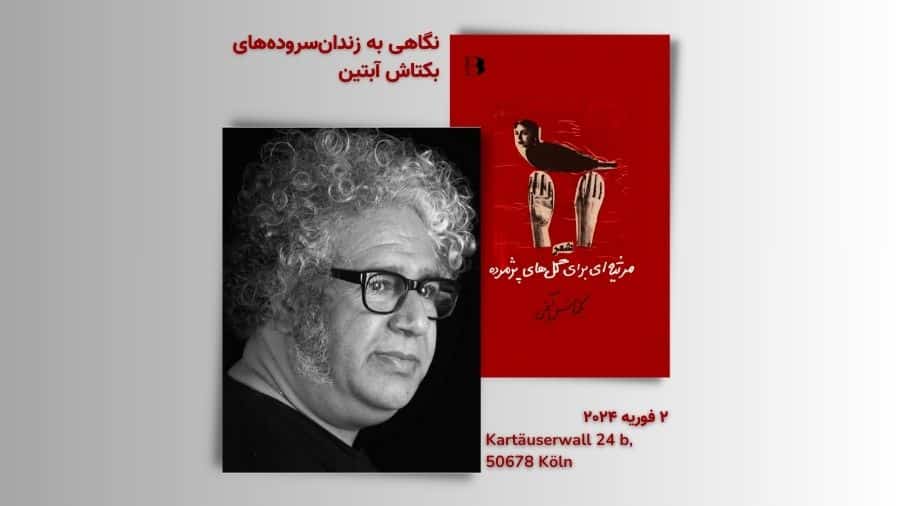
A look at Bektash Abtin’s prison poems titled “A Elegy for Withered Flowers” with the presence of Asad Seyf, Nahid Mousavi, and Arash Nasrollahi.
Organizers: Baran Publication in cooperation with the Divan Association, the Woman, Life, Freedom Forum – Cologne, and Café Schallplatte
Program Host: Ali Parsan
The live broadcast of this program is facilitated by Iran Academia. Click here for more information.
What Is Theology?
Adam Kotsko, born in 1980 in the United States, is a Christian researcher and cultural critic. He is especially engaged in the field of political theology and has translated several works of Giorgio Agamben into English and also explained his thought methods. In addition to Agamben and others, Kotsko is also famous for his interpretation of Slavoj Žižek’s method of thought, and the book he wrote on this topic was translated into Persian earlier than his later works.
However, Kotsko’s own project seems to revolve around the issue of evil in Christian theology, especially in his recent writings, “The Prince of this World” and “The Demons of Neoliberalism.” The translation chosen is the introduction to his latest book, “What is Theology? Christian Thought and Contemporary Life,” described as a collection of essays “on the perils and promises of modernity’s theological legacy.”
Strategic Analysis of the Woman, Life, Freedom Uprising in Iran
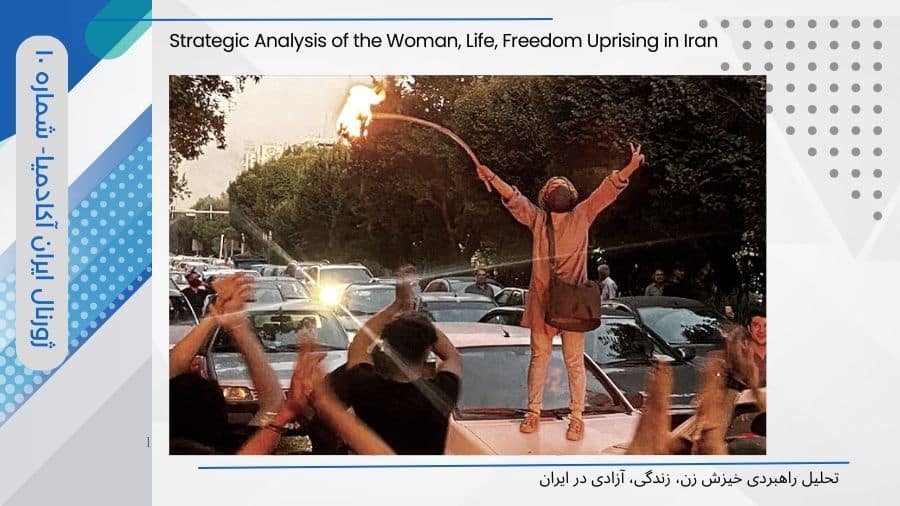
Article of Mahdi Khodaei in the Iran Academia Journal – Volume 10
Investigation of the Themes of Erotic Illustrations in the Qajar Era (1789– 1925)
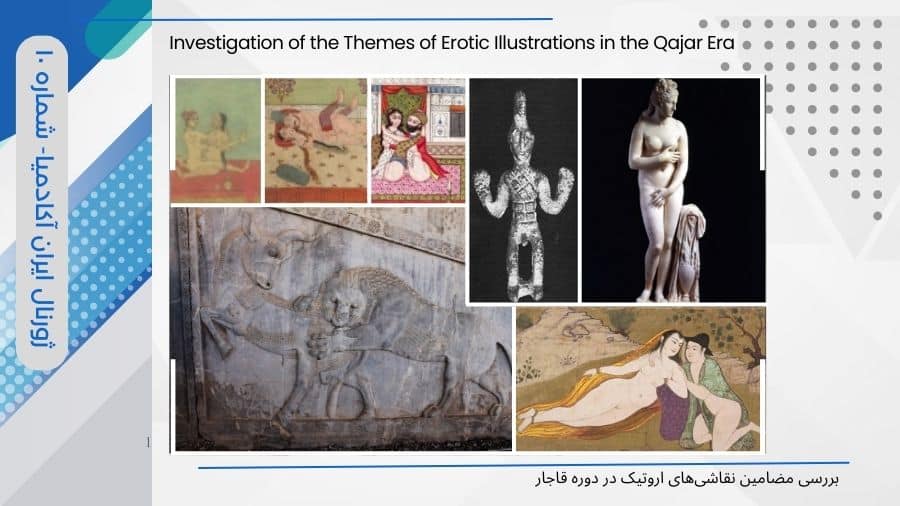
Article of Milad Jahani-Siyahroodi and Shokofeh Ghafari in the Iran Academia Journal – Volume 10
The Significance of Individual Rights and Responsibilities in a Social Context
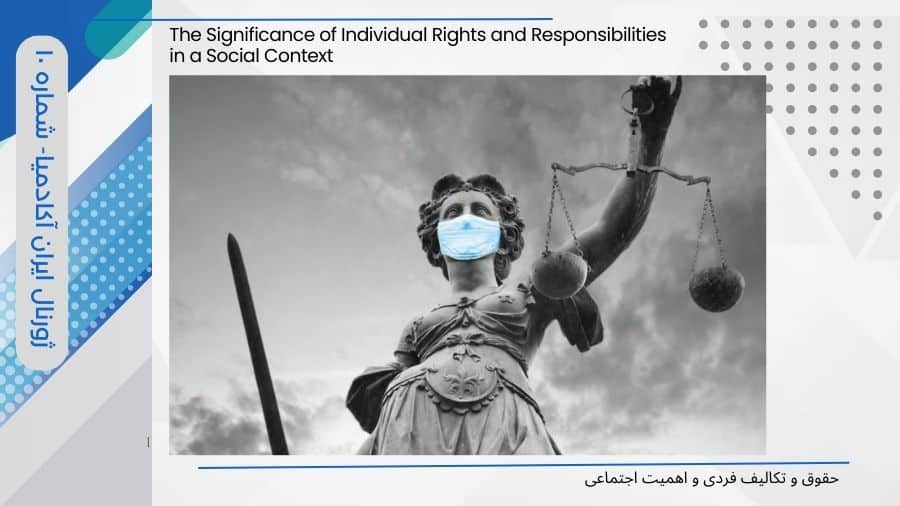
Article of Iradj Sobhani in the Iran Academia Journal – Volume 10
The Enduring Appeal of Authoritarianism in Iran: Mohammad Ghoochani’s Quest for an Absolute State, Iranshahri and Neo-Safavid
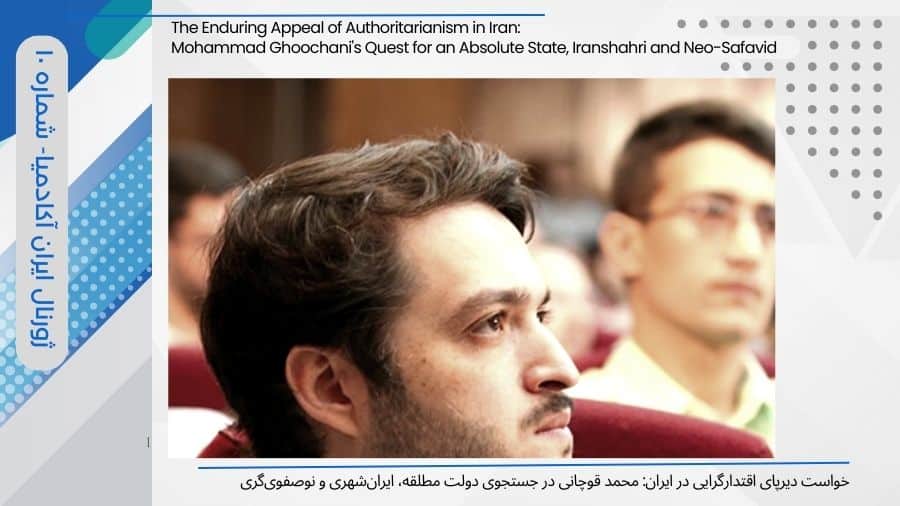
Article of Hadi Miri Ashtiani in the Iran Academia Journal – Volume 10
Intellectual and social revolution of Woman, Life, Freedom in Kurdistan and Iran
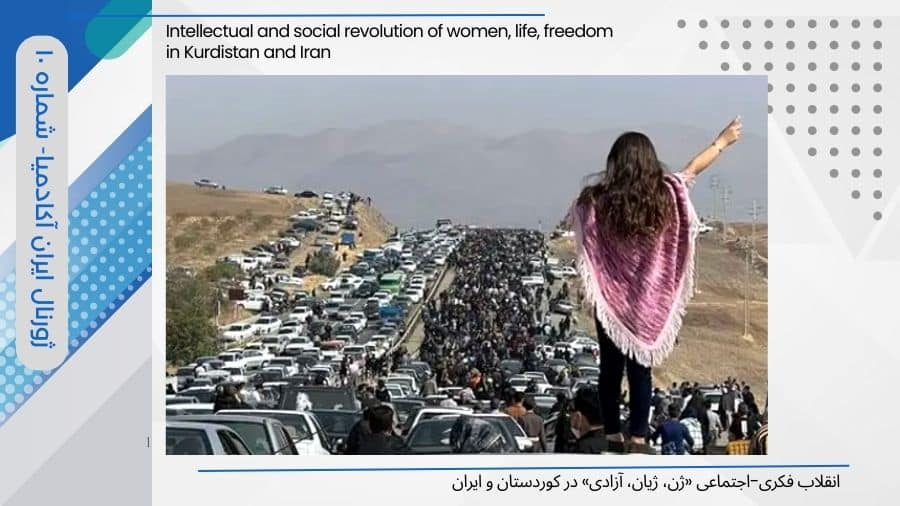
Article of Shahrokh Hassanzadeh in the Iran Academia Journal – Volume 10
“Why travel? Stay and Take Back!”; Drawing Moments Between Leaving and Staying
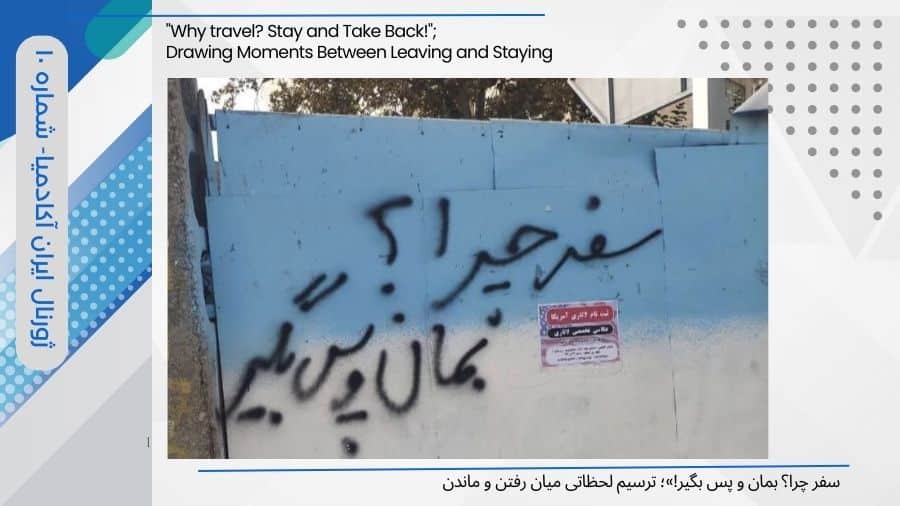
Article of Parsa Habibi-fard in the Iran Academia Journal – Volume 10