

The article discusses the global issue of gender equality, emphasizing its broader scope beyond just male-female equality to include diverse gender identities (LGBTQ). It highlights the United Nations’ efforts to promote gender equality through conventions and treaties, encouraging countries to adopt these principles.
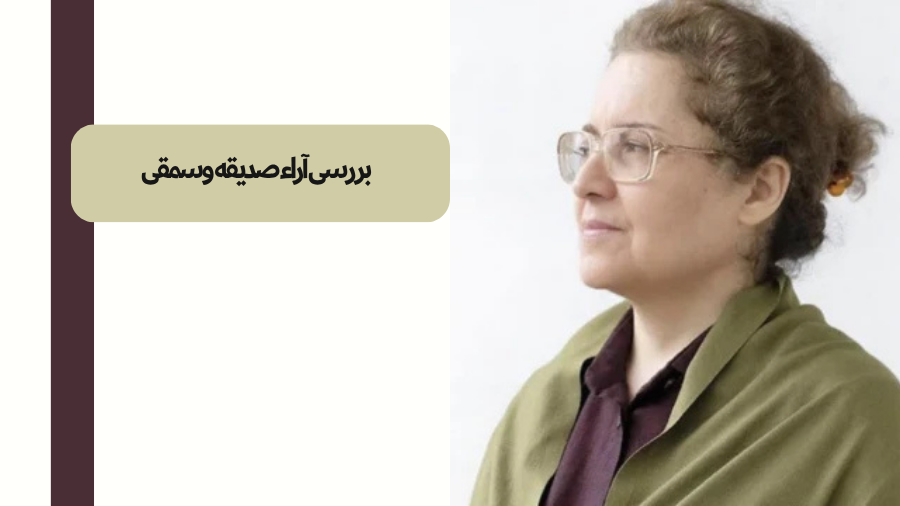
In Iran, a theocratic state, the prevailing interpretation of Islam by political and religious authorities conflicts with international gender equality standards. The article focuses on Sedigheh Vasmaghi, an Iranian scholar and activist, whose reformist views challenge traditional Islamic jurisprudence (fiqh) and patriarchal structures.
Vasmaghi’s work, particularly in the areas of women’s financial rights (nafaqa), employment, and political participation, advocates for reinterpreting religious texts to align with modern gender equality principles. Her activism, especially post-Mahsa Amini’s death in 2022, has significantly influenced the discourse on women’s rights in Iran, pushing against mandatory hijab laws and systemic gender discrimination.
Despite facing imprisonment and restrictions, Vasmaghi continues to inspire change through her writings and actions, offering a progressive vision for women’s rights within an Islamic framework.
To read the full article in Persian, please change the webpage language to Persian.
