


Abstract
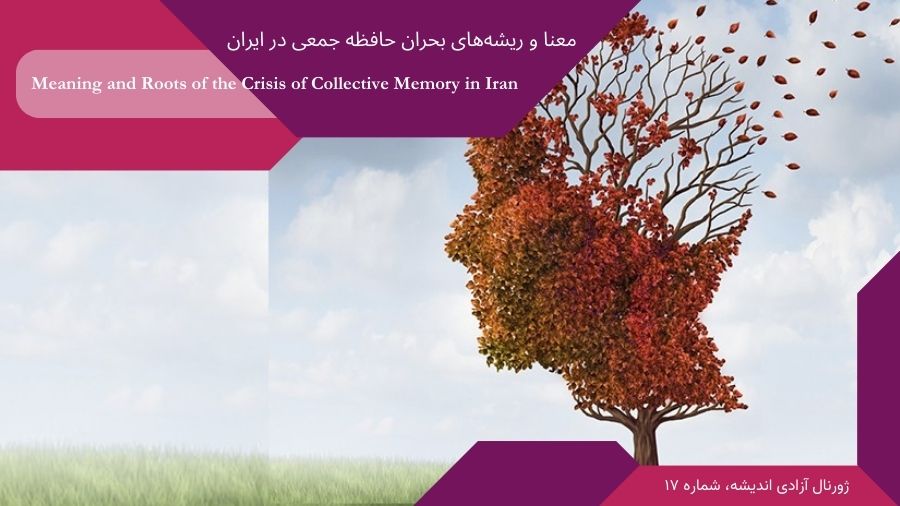
Iran today is facing the challenge of a collective memory crisis. The main symptom of the crisis is a situation in which the memories, historical narratives, or shared symbols of a society are in dispute, doubted, forgotten, or distorted, in such a way that social solidarity, collective identity, or collective narrative is shaken or broken. After providing basic definitions of collective memory and an initial conceptual framework, the article points to five specific examples in contemporary Iranian history: the fall of the Mossadegh government in 1953, the 1979 revolution and its fate, the bloody Iran-Iraq war (1980-1988), the issue of the hijab, and the status of the first king of the Pahlavi dynasty (1925-1941), over which there are very different interpretations and tensions within society and between the government and social groups.
The crisis of collective memory cannot be seen in isolation from a larger crisis that has engulfed various areas of Iranian society. Collective memory is both a product of this crisis and the tension between the government and society or different sectors of society, and it itself acts as a factor in intensifying political tension.
